
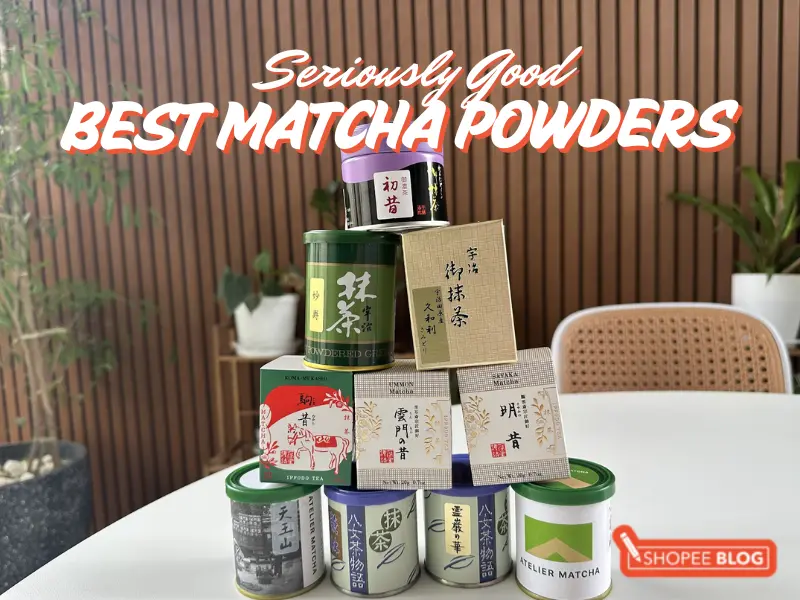
Matcha is no longer just a café order; it’s a lifestyle. From iced matcha lattes after Pilates to slow, whisked cups on a quiet Sunday morning, more people are whisking matcha at home than ever. But if you’ve ever tried buying ceremonial matcha in Singapore, you’ll know the struggle: everything looks green, everything claims to be “premium”, and half of it tastes…aggressively bitter. So what actually counts as the best matcha powder in Singapore?
After comparing popular local brands, Japanese imports, and everyday options you’ll see online or in stores, this guide breaks down which matcha powders are genuinely worth your money, whether you’re drinking it straight or making lattes. No gatekeeping, no tea ceremony pressure. Just practical, honest matcha talk.
How these matcha powders were rated
Each matcha powder was evaluated using a structured scoring rubric adapted specifically for matcha. All matcha powders were prepared as usucha (with water) and, where suitable, also tested in milk-based drinks to assess versatility.
Scores reflect real-world use rather than formal tea ceremony standards.
| Criteria | 1 (Poor) | 2 (Fair) | 3 (Average) | 4 (Good) | 5 (Excellent) |
| Taste & Bitterness | Unpleasant or overly bitter; harsh or flat | Below-average flavour; bitterness dominates or lacks balance | Acceptable but not memorable; drinkable with flaws | Good flavour; balanced umami with manageable bitterness | Delicious and memorable; smooth, well-balanced, and enjoyable enough to repurchase |
| Aroma & Freshness | Dull, stale, or flat aroma | Faint aroma with limited freshness | Clean but unremarkable aroma | Fresh, pleasant, and inviting aroma | Highly fragrant, lively, and clearly fresh upon opening |
| Texture & Mixability | Gritty, clumpy, or difficult to dissolve | Somewhat inconsistent or chalky | Acceptable texture; neither smooth nor unpleasant | Smooth mouthfeel; whisks or mixes well | Exceptionally smooth and creamy; dissolves easily with excellent froth |
| Colour & Appearance | Dull, brownish, or uneven colour | Pale green with visible inconsistency | Average green colour; nothing stands out | Vibrant green with good consistency | Bright, vivid green with excellent visual appeal |
| Value for Money | Overpriced for the quality provided | Poor value; quality does not justify the price | Reasonable value; comparable to similar products | Good value; quality aligns well with price | Excellent value; high quality and worth repurchasing |
Note: Not all criteria are weighted equally for every matcha. For example, matcha intended for lattes may score lower for bitterness but higher for value and mixability. Final scores reflect how well each matcha performs for its intended use, rather than a purely mathematical average.
1. Ippuku & Matcha Original Blend
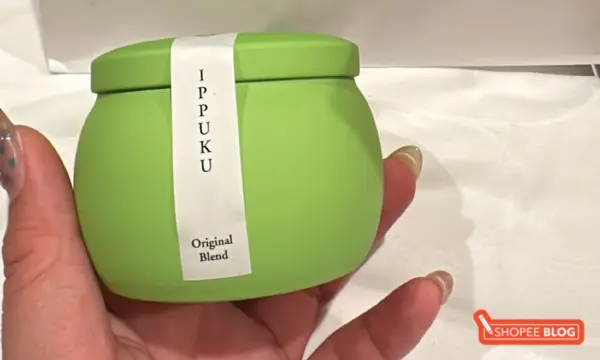
Best for: Everyday usucha, underrated gem
Price per gram: JPY 3900 (SGD 31.68) / 20g
Ippuku & Matcha’s Original Blend is one of the most underrated matcha powders for usucha. It’s medium-bodied, incredibly smooth, and finishes with a natural sweetness that lingers pleasantly. There are no grassy or astringent notes, which makes it exceptionally easy to drink. It froths beautifully and works well both hot and iced, offering consistency across preparations. This is an excellent everyday usucha if you value sweetness, balance, and approachability over intense vegetal character.
Overall rating: ★★★★☆ (4.5/5) – Consistently smooth, naturally sweet, and incredibly easy to drink. This is the most revisit-worthy matcha in the lineup, whether hot or iced.
- Taste & Bitterness: ★★★★☆
- Aroma & Freshness: ★★★★☆
- Texture & Mixability: ★★★★★
- Colour & Appearance: ★★★★☆
- Value for Money: ★★★★☆
2. Marukyu Koyamaen Tenju
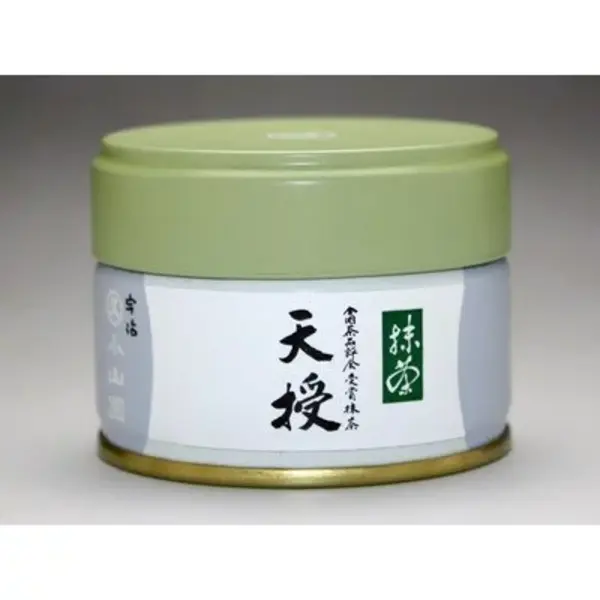
Best for: Premium traditional usucha
Price per gram: JPY 20,100 (SGD 163.29) / 40g
Tenju is Marukyu Koyamaen at its most refined. Its price is justified by its proven superior quality. From the moment you open the tin, the sweetness is apparent. As an usucha, it’s full-bodied, creamy, and completely free of bitterness, with deep umami and a beautifully rounded flavour that lingers long after each sip. While Tenju technically works in lattes, its complexity and price make it far better suited to traditional preparation. This is a matcha meant to be appreciated on its own, slowly, and without distraction.
Overall rating: ★★★★★ (5/5) – Refined, luxurious, and completely bitterness-free. This is a benchmark ceremonial matcha meant to be enjoyed slowly and without distractions.
- Taste & Bitterness: ★★★★★
- Aroma & Freshness: ★★★★★
- Texture & Mixability: ★★★★★
- Colour & Appearance: ★★★★★
- Value for Money: ★★★★☆
3. Marukyu Koyamaen Wako
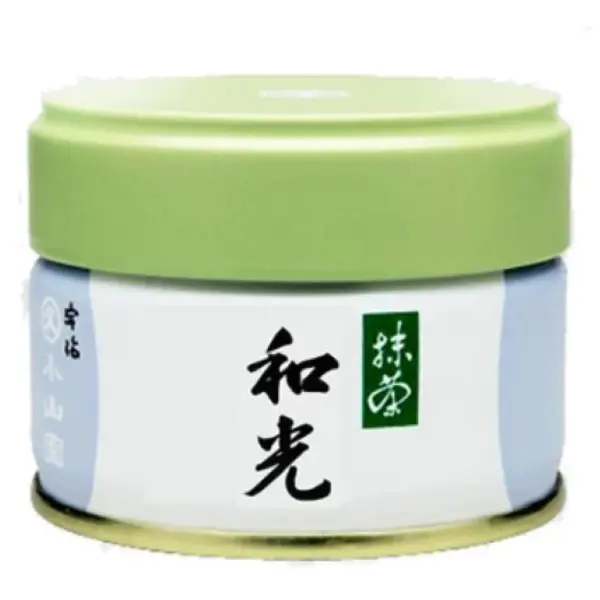
Best for: Beginners exploring usucha, gentle traditional drinking
Price per gram: JPY 2,400 (SGD 19.50) / 20g
Wako is one of the most beginner-friendly offerings from Marukyu Koyamaen, particularly for those interested in drinking matcha as usucha. It has a strong, inviting aroma and a naturally sweet, umami-forward flavour with virtually no bitterness or harsh astringency. The powder froths easily, which is especially encouraging for beginners still learning how to whisk properly. As an usucha, Wako feels gentle yet satisfying, with a soft richness and a lingering aftertaste that fades cleanly rather than abruptly. In lattes, however, the flavour becomes quite light and is easily overpowered by milk. That actually works in its favour for beginners who prefer subtle, non–matcha-forward lattes. Wako is ideal if you’re just starting and want something sweet, smooth, and reassuring.
Overall Rating: ★★★★☆ (4/5) – Sweet, gentle, and highly approachable. An excellent entry point into traditional usucha with minimal bitterness.
- Taste & Bitterness: ★★★★☆
- Aroma & Freshness: ★★★★☆
- Texture & Mixability: ★★★★☆
- Colour & Appearance: ★★★★☆
- Value for Money: ★★★★☆
4. Yamecha Monogatari Eirin
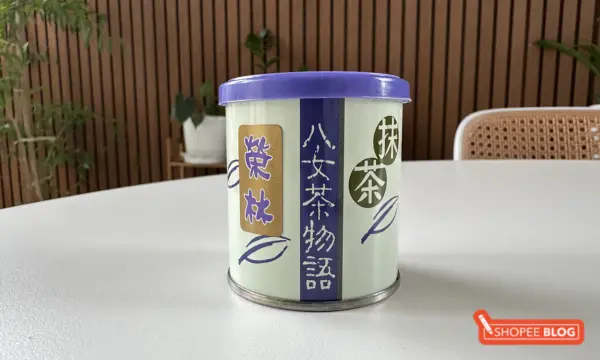
Best for: Balanced hot or iced usucha
Price per gram: JPY 3834 (SGD 31.15) / 30g
Eirin offers a nuanced usucha experience with mellow nutty notes layered alongside vegetal and floral tones. The body is medium to full, giving the matcha presence without heaviness. As an iced usucha, it really shines – bitterness and astringency remain low, and a brief jasmine note appears on the finish. While it’s enjoyable in lattes, the flavour shifts toward nuttiness, losing some of the delicacy that makes it appealing as usucha. This is a good choice if you enjoy a clean, composed matcha that adapts well to different temperatures.
Overall Rating: ★★★★☆ (4/5) – Balanced and elegant, especially enjoyable as iced usucha with low astringency and a floral finish.
- Taste & Bitterness: ★★★★☆
- Aroma & Freshness: ★★★★☆
- Texture & Mixability: ★★★★☆
- Colour & Appearance: ★★★★☆
- Value for Money: ★★★★☆
5. Nishide Premium Samidori Kuwari
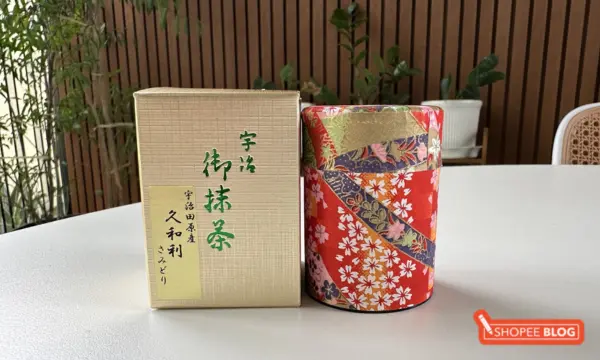
Best for: Matcha-forward lattes
Price per gram: JPY 3024 (SGD 24.57) / 20g
Nishide Premium Samidori Kuwari is unapologetically bold. Made from leaves sourced from Zenjyoji in Ujitawara and awarded a silver medal at the Japanese Tea Selection Paris competition, this matcha brings deep umami intensity that translates exceptionally well into lattes. As an usucha, it can feel overpowering and too strong for most palates. But once milk is added, the flavour becomes perfectly balanced, producing a latte that tastes distinctly and confidently matcha-forward. This is a great option if you don’t want your latte to taste diluted or overly milky.
Overall Rating: ★★★★☆ (4/5) – Bold, intense, and unapologetically matcha-forward. Outstanding for lattes, though too strong for most as usucha.
- Taste & Bitterness: ★★★★☆
- Aroma & Freshness: ★★★★★
- Texture & Mixability: ★★★★☆
- Colour & Appearance: ★★★★☆
- Value for Money: ★★★★☆
6. Kanbayashi Shunsho Hatsu Mukashi
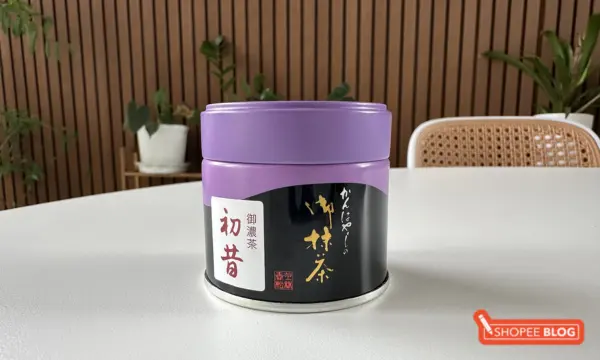
Best for: Creamy, dessert-like matcha lattes
Price per gram: JPY 4320 (SGD 35.10) / 20g
Hatsu Mukashi immediately stands out with its aroma, sweet and almost blueberry-like upon opening. As an usucha, it’s surprisingly smooth and full-bodied, with almond and dark chocolate notes and virtually no astringency. The texture is creamy and rounded, making it enjoyable even without milk. In a latte, those almond notes become more pronounced, creating a rich and comforting drink that feels slightly indulgent. The sweetness carries through well, making it ideal for those who enjoy softer, dessert-leaning matcha lattes rather than sharp or grassy ones.
Overall Rating: ★★★★☆ (4/5) – Dessert-leaning, aromatic, and indulgent, with almond and chocolate notes that shine in lattes.
- Taste & Bitterness: ★★★★☆
- Aroma & Freshness: ★★★★★
- Texture & Mixability: ★★★★☆
- Colour & Appearance: ★★★★☆
- Value for Money: ★★★★☆
7. Atelier Matcha – Yamamasa Koyamaen Tennouzan and Ogurayama
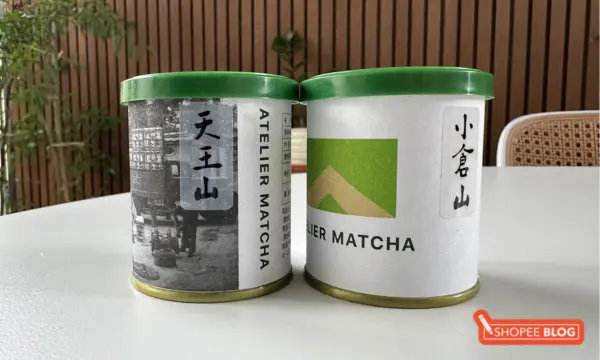
Best for: Strong café-style lattes
Price per gram: Tennouzan JPY 3600 (SGD 29.25) / 30g, Ogurayama JPY 2,100 (SGD 17.06) / 30g
Yamamasa Koyamaen was so hard to find in Tokyo, so I got these from Atelier Matcha instead since they use the same powder. Tennouzan and Ogurayama both perform best in lattes, though they offer slightly different experiences. Tennouzan has a very strong grassy flavour that can be unpleasant as an usucha, but in a latte, that intensity works to its advantage by overpowering the milk and keeping the matcha flavour front and centre. Ogurayama, on the other hand, is smoother and more balanced, with nutty notes and a clean umami finish. It’s lighter than Tennouzan and easier to drink, making it a better choice if you prefer a latte that’s bold but not aggressive.
Overall Rating: ★★★★☆ (4/5) – Café-style matcha with a strong presence. Tennouzan is intense; Ogurayama is smoother and more balanced.
- Taste & Bitterness: ★★★★☆
- Aroma & Freshness: ★★★★☆
- Texture & Mixability: ★★★★☆
- Colour & Appearance: ★★★★☆
- Value for Money: ★★★★☆
8. Ippodo Tea Sayaka
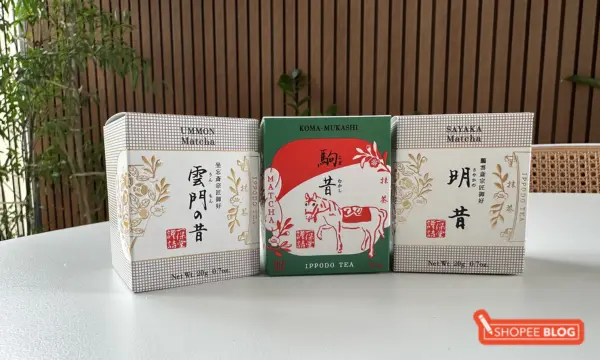
Best for: Beginners, matcha lattes, smooth daily drinking
Price per gram: JPY 2,200 (SGD 17.87) / 20g
Ippodo Tea Sayaka is a great starting point for beginners because it manages to be both flavourful and forgiving. The powder is bright green, finely sifted, and extremely smooth, making it easy to whisk even if your technique isn’t perfect. On the palate, it’s full-bodied and creamy, with a balanced profile that leans floral and lightly vegetal, alongside noticeable umami and gentle sweetness. While Sayaka works beautifully in lattes, where its creaminess and umami shine, it can feel a little too strong and savoury for a traditional usucha, especially if you’re sensitive to seaweed-like umami notes. Compared to Ippodo’s Ummon, the flavour is lighter and less intense, which makes it less intimidating for beginners. Overall, it’s a very approachable matcha that helps build confidence without sacrificing flavour.
Overall Rating: ★★★★☆ (4/5) – Creamy, smooth, and beginner-friendly, though slightly savoury as straight usucha.
- Taste & Bitterness: ★★★★☆
- Aroma & Freshness: ★★★★☆
- Texture & Mixability: ★★★★☆
- Colour & Appearance: ★★★★☆
- Value for Money: ★★★★☆
9. Naoki Superior Ceremonial Matcha
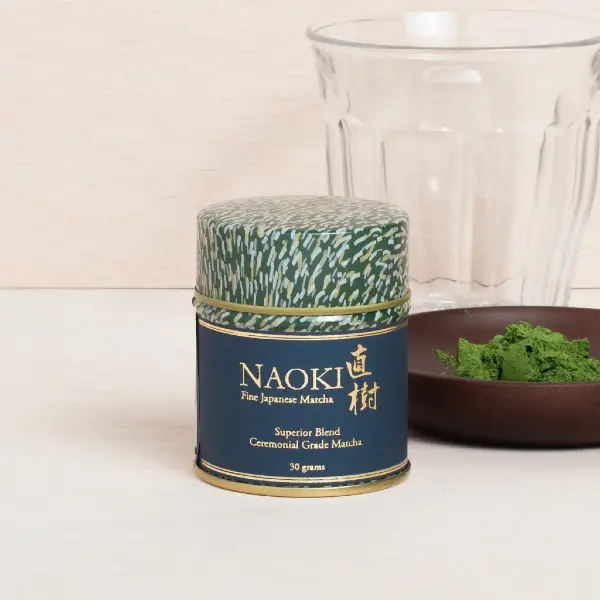
Best for: Daily drinking, beginners, matcha latte
Price per gram: SGD 21.99 / 30g
Naoki Superior Ceremonial Matcha stands out as one of the most well-rounded matcha powders available in Singapore. The flavour is smooth and gently umami, with very little bitterness, making it easy to enjoy even if you’re new to whisking matcha at home. It comes in a bag inside a tin that’s not airtight, similar to Ippodo tea packaging. The powder has more of a yellow-green shade and is smooth in texture. Its smell is more on the grassy side, similar to actual green tea leaves. It doesn’t froth up as much as high-end matcha powders, but it can still have a decent microfoam top layer after whisking.
As an usucha, it has a neutral and mild taste, not much complexity. As a latte, the grassy and bitter notes are more muted but have a lingering astringency (which is great if you like tasting the matcha flavour in its latte form). What makes Naoki particularly appealing is its versatility despite the strong flavour. It holds up nicely in light lattes and doesn’t punish you for slightly off ratios or imperfect technique. While it doesn’t have the depth or complexity of high-end Japanese ceremonial matcha, the balance between taste, ease of use, and price makes it a reliable everyday option for most people in Singapore.
Overall Rating: ★★★★☆ (4/5) – Versatile and forgiving. Not complex, but extremely reliable for daily use.
- Taste & Bitterness: ★★★★☆
- Aroma & Freshness: ★★★☆☆
- Texture & Mixability: ★★★★☆
- Colour & Appearance: ★★★☆☆
- Value for Money: ★★★★☆
10. Matchaya Ceremonial Okumidori Powder
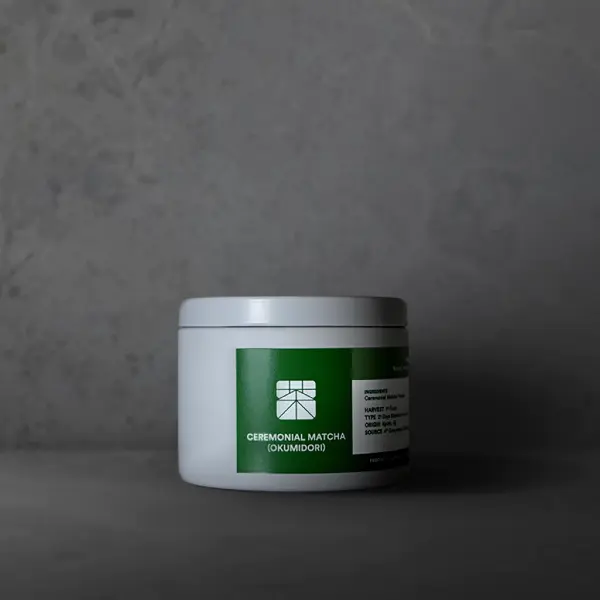
Best for: Lattes, flavoured drinks, café-style matcha
Price per gram: SGD 53.19 / 30g
Matchaya is well-known in Singapore for its café-style matcha, and that translates clearly into its matcha powder. The flavour is slightly more robust, which allows it to stand up well to milk and sweeteners. Bitterness is present but controlled, creating a profile that feels familiar if you enjoy matcha lattes from cafés. It has more floral and grassy notes with mellow sweetness and umami. As a straight usucha, it may feel a little bold for those sensitive to bitterness, but where it excels is in milk-based drinks. The colour remains decent once mixed, and the texture blends well without excessive whisking. Matchaya is best seen as a latte-first matcha rather than a traditional ceremonial one. The same goes for their cheaper variants like the Matcha 8 and Matcha 18, they’re better to be used in latte drinks than usucha due to the strong kick of flavour.
Overall Rating: ★★★★☆ (4/5) – Latte-first matcha with bold flavour that holds up well in milk.
- Taste & Bitterness: ★★★★☆
- Aroma & Freshness: ★★★★☆
- Texture & Mixability: ★★★★☆
- Colour & Appearance: ★★★★☆
- Value for Money: ★★★☆☆
11. Houkouen Myouju
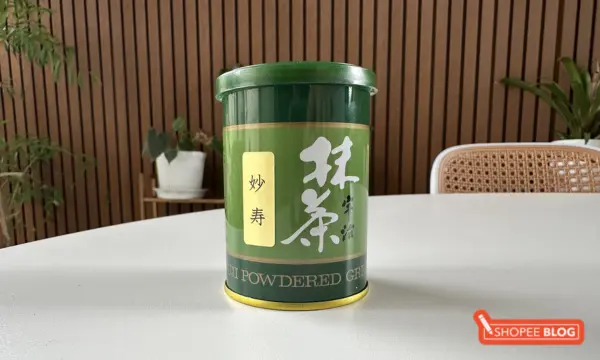
Best for: Budget-friendly beginners, everyday practice matcha
Price per gram: JPY 3240 (SGD 26.32) / 40g
Hokuen Myouju is an underrated option for beginners who want to explore matcha without spending too much. As one of Hokuen’s lower-grade offerings, it’s more readily available and generally more affordable than many ceremonial matcha powders. The flavour profile is interesting for the price, starting with floral and umami notes in usucha before developing into a nuttier character. There is a slight bitter finish, but it’s followed by a gentle sweetness that keeps the overall experience pleasant. In lattes, the nutty umami notes become much more prominent, overshadowing the floral tones. While it lacks the polish of higher-end matcha, Myouju works well as a practice matcha! It’s something you can experiment with daily while learning ratios and preparation styles.
Overall Rating: ★★★☆☆ (3/5) – Interesting for the price, but lacks polish and finishes slightly bitter.
- Taste & Bitterness: ★★★☆☆
- Aroma & Freshness: ★★★☆☆
- Texture & Mixability: ★★★☆☆
- Colour & Appearance: ★★★☆☆
- Value for Money: ★★★★☆
12. Crafti Ceremonial Matcha Powder
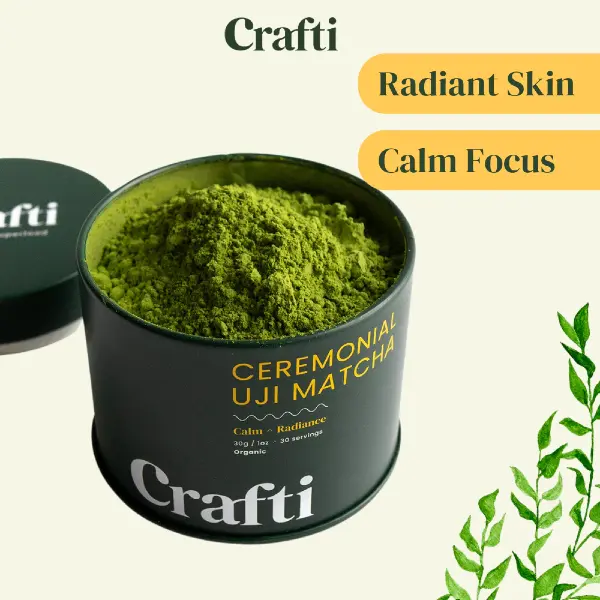
Best for: Beginners, lattes, casual home use
Price per gram: SGD 23.90 / 30g
Crafti’s Ceremonial Matcha Powder is designed with approachability in mind. The flavour profile is very light to medium-bodied. As an usucha, it can be very astringent and bitter, highly recommend it to be used for lattes or flavoured lattes. It has a softer aroma and slightly less vibrant colour compared to higher-end ceremonial matcha, but it remains pleasant and consistent. This matcha shines when used in lattes or as an entry-level ceremonial option. It’s not trying to replicate a traditional tea ceremony experience, but rather to make matcha feel easy and unintimidating. For beginners who want a straightforward, fuss-free matcha powder, Crafti fits neatly into that role.
Overall Rating: ★★★☆☆ (3/5) – Astringent as usucha and better suited for lattes or flavoured drinks.
- Taste & Bitterness: ★★☆☆☆
- Aroma & Freshness: ★★★☆☆
- Texture & Mixability: ★★★☆☆
- Colour & Appearance: ★★★☆☆
- Value for Money: ★★★★☆
13. Tea Cottage Kanzeon Megumi Ceremonial Grade Matcha Powder
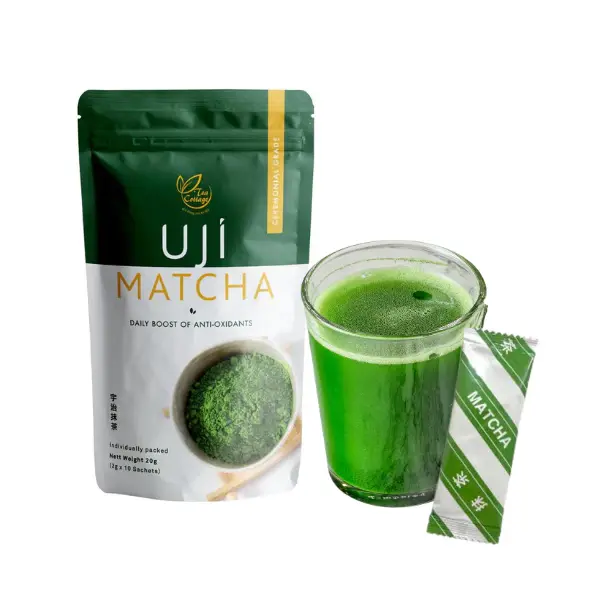
Best for: Convenience, occasional matcha drinkers
Price per gram: SGD 29.90 / 30g
Tea Cottage’s matcha offerings focus on convenience and accessibility rather than depth or complexity. The flavour is straightforward, slightly bitter, and best enjoyed with milk or sweeteners. As a result, it may not appeal to those looking for a nuanced ceremonial matcha experience. That said, it serves its purpose well for casual use. The packaging is user-friendly, the preparation is simple, and it’s easy to incorporate into everyday routines. For occasional matcha drinkers who prioritise ease over refinement, Tea Cottage is a practical option.
Overall Rating: ★★★☆☆ (3/5) – Convenient and easy to prepare, but lacks depth and refinement.
- Taste & Bitterness: ★★☆☆☆
- Aroma & Freshness: ★★★☆☆
- Texture & Mixability: ★★★☆☆
- Colour & Appearance: ★★★☆☆
- Value for Money: ★★★☆☆
How to choose matcha powder by taste preference
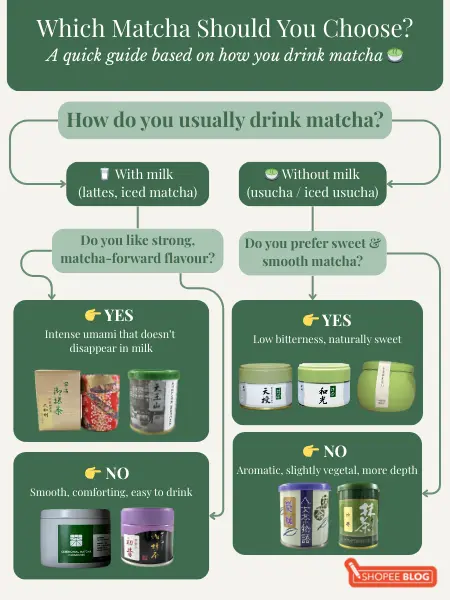
If you’re still unsure which matcha to pick, flavour preference is often more helpful than grade or brand. Here’s a simple way to narrow it down based on how you like your drinks to taste.
Matcha powder for lattes
If you want your matcha to taste unmistakably green and present, especially in lattes, go for powders with strong umami, grassy, or nutty notes. These hold up well in milk and won’t disappear once diluted. For bold, matcha-forward flavours, and intense umami that doesn’t disappear in milk, you’ll like these:
- Nishide Premium Samidori Kuwari
- Yamamasa Koyamaen Tennouzan
On the other hand, if you prefer your matcha latte to have a smoother flavour that doesn’t come off too strong, you’ll like these:
- Matchaya Okumidori
- Kanbayashi Shunsho Hatsu Mukashi
Matcha powder for usucha
For usucha, look for matcha with low bitterness and rounded umami. These tend to feel comforting and easy to drink, even without milk. They’re also more forgiving if your preparation isn’t perfect. You’ll likely enjoy smooth, creamy, and mildly sweet matcha like:
- Marukyu Koyamaen Wako
- Marukyu Koyamaen Tenju
- Ippuku & Matcha Original Blend
If you consider yourself to have a more refined taste for matcha, these are more aromatic and gentle rather than intense. These are great if you enjoy subtle complexity without heavy bitterness:
- Yamecha Monogatari Eirin
- Houkouen Myouju
Matcha powder for beginners
Avoid matcha described as “strong”, “robust”, or “grassy”. Instead, look for naturally sweet, umami-forward matcha with little to no astringency. Get these good all-rounders while you figure out your taste:
- Ippodo Tea Sayaka
- Naoki Superior Ceremonial Matcha
Frequently asked questions about matcha powder
What’s the difference between ceremonial grade and culinary grade matcha?
Ceremonial-grade matcha is made from younger tea leaves and is meant to be drunk on its own. It’s smoother, naturally sweeter, and lower in bitterness. Culinary-grade matcha uses older leaves, which makes it stronger and more bitter, but better suited for baking or mixing with milk and sweeteners. The key difference isn’t “quality” so much as intended use. Ceremonial grade shines in usucha, while culinary grade performs better in recipes and desserts where flavour needs to hold up.
Is a more expensive matcha always better?
Not necessarily. Higher-priced matcha often offers more complexity and refinement, but it can also be less forgiving. If you’re new to matcha or mostly make lattes, a mid-range or beginner-friendly matcha can actually taste better for your use case.
Why does my matcha taste bitter even if it’s ceremonial grade?
Bitterness often comes from water temperature, ratios, or whisking technique, not just matcha quality. Using water that’s too hot or too much powder can make even good matcha taste harsh. Preparing your matcha properly is key to bringing out its best flavours!
How long does matcha stay fresh after opening?
Once opened, matcha is best consumed within 1 – 2 months. Store it in an airtight container, away from light, heat, and moisture. Fresher matcha will taste smoother and less bitter.
Choosing the perfect matcha for you
The best matcha powder isn’t about chasing the most expensive tin or the most famous Japanese brand. It’s about choosing a matcha that fits how you actually drink it. Using the right tools can completely change how your matcha tastes, especially when it comes to texture and bitterness. If you’re unsure where to start, our matcha whisk 101 guide breaks down what to look for and how to use one properly. For a step-by-step walkthrough, check out how to prepare matcha at home to get the smoothest, most balanced cup possible. Start with one matcha, pay attention to the flavours you enjoy, and upgrade slowly. Matcha isn’t meant to be intimidating; it’s meant to be enjoyed!