
Despite completing my exchange programme a year ago, I still miss being an exchange student dearly. And while, yes, exchange programmes are pretty fun, the idea of it can be daunting, and understandably so. After all, not only are you stepping into a foreign country, but you are also living there for an extended period of time. The preparation was also a lot of hard work. But don’t worry – hopefully my recount of the process will make everything smoother for you!
What are university exchange programmes all about?
Why I decided to study abroad
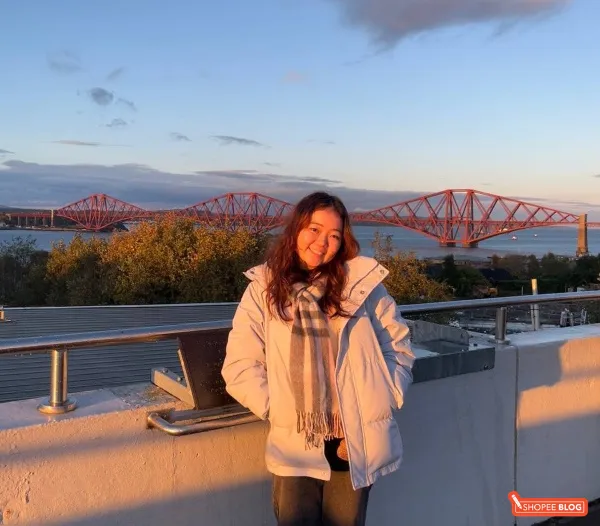
I had heard rave reviews about going on exchange programmes. Many seniors had gushed to me about how these programmes were the highlights of university life. Immense personal growth, experiencing new ways of life, and exploring other parts of the world were some of the many reasons cited. As such, I knew that I could not miss out on this opportunity. I was excited to immerse myself in a new culture and craved a change in environment.
Although I did not have a specific destination in mind at first, studying in Europe has always been a pipe dream of mine, especially since I am studying literature, and much of the content has been produced there. I also had not previously been to Europe, which made me incredibly attracted to the prospect of being able to see the many iconic landmarks that I had once seen on a screen, such as the majestic Scottish Highlands and the incredible Gothic-style cathedrals. It was just a matter of where in Europe I should spend my 5 months.
How I prepared for the exchange student programme
Application process
How to know if you’re eligible for student exchange?
The eligibility criteria for semester exchange may differ slightly across different universities, so be sure to double check with your university. Generally speaking, you likely need to:
- Be an active full-time undergraduate
- Have completed at least 2 semesters at your current university before the exchange semester
- Have a minimum Cumulative Grade Point Average (CGPA) required by your school
- Have never been on an overseas in-person exchange programme previously
What was the application process like, and how long did it take?
Do note that the entire process for preparation may differ significantly depending on your home university and semester choices.
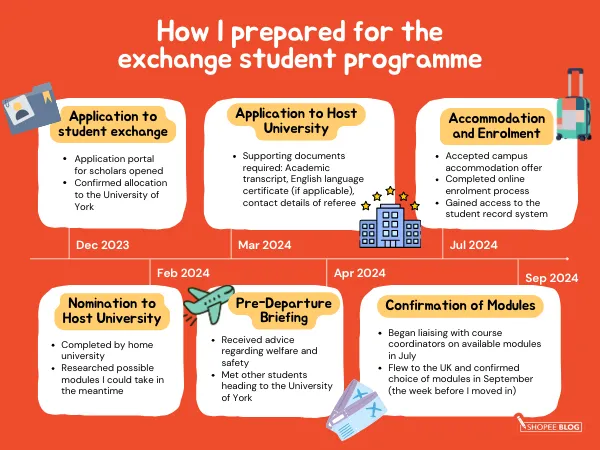
My application for student exchange took a little over a month. As I am part of a scholar’s programme, my application process also differed slightly from non-scholars. Although the application portal for scholars officially opened in December 2023, the entire process actually started since November 2023, when we had to indicate our interest for our choice of universities. As there was a quota placed on the number of scholars heading to each available university, internal deconflicting was sometimes needed. The administrative office will then try to allocate us accordingly, giving priority based on CGPA.
During the first round of the scholar’s application, I was allocated to McGill University, which is located in Canada. As Canada was not within my choices, I rejected the offer and entered the second round of application instead. Before school reopened in January, I received news of my second allocation, which I eventually accepted.
For non-scholars, the application portal typically opens right after the scholars’ applications are completed in December.
Administrative matters
When my allocation and nomination were confirmed, I had to get the other administrative matters out of the way. I spent my next few weeks submitting applications to the host university and looking at possible courses to match with. Do note, however, that you likely have limited options for courses as an exchange student, since priority is usually given to the students there.
While I thankfully did not need a visa, you may need to submit a visa application depending on the country you are visiting. For Singapore citizens, you can look at this Ministry of Foreign Affairs page for more info. The application for an overseas visa can take 2-4 weeks to be successful, depending on the country. But delays can drag the process for months. To play it safe, most of my friends who were travelling to visa-required countries applied for a visa at least 3 months before their flight.
Accommodation
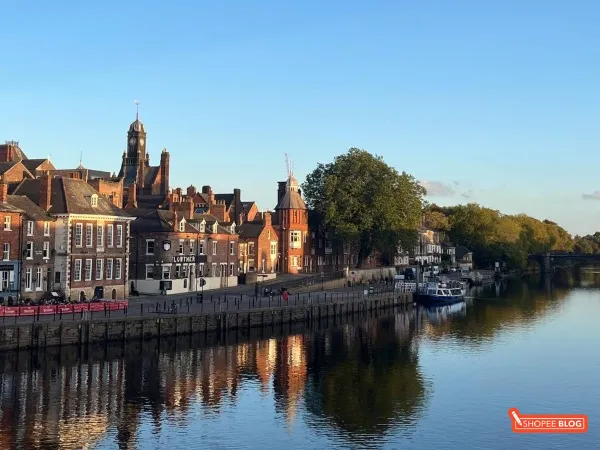
Once my application was approved, I started looking at possible options for accommodations, such as campus dormitories, co-living spaces and even homestays. As rent can be pretty expensive in the United Kingdom, I needed to weigh my options carefully. While some preferred the convenience of staying on campus, others preferred to share an off-campus room with a roommate, as this could be potentially cheaper.
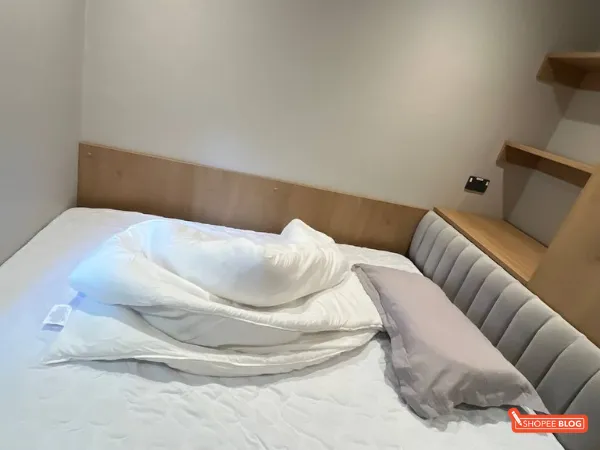
I eventually chose to stay on campus. The University of York had many different rooms available, depending on whether meal catering was provided and the location of the building. However, as I was a visiting student, I did not get to choose a room. That decision was up to the housing office. After a few weeks, an email from the housing office arrived, stating that I was allocated to a single room with no meal catering.
Finances
Embarking on an exchange programme can rack up high financial costs. For instance, a semester abroad in Europe and the Americas can cost up to 20,000SGD. Thankfully, many schools offer scholarships, travel grants and bursaries, so make sure to keep a lookout for those!
I was fortunate enough to be funded by my scholarship, which actually alleviated around 80% of my expenses, including big ticket purchases like my accommodations and transport. I also covered my two-way flight tickets (from Singapore to London and back) with the funds from my Post-Secondary Education Account (PSEA). Upon calculation, around 2000 – 3000SGD was paid from my own pocket.
Before flying, I also budgeted my expenses and thoroughly researched any student discounts I could leverage to save some extra bucks. Quick tip: I highly recommend buying the UK Railcard for students to save one-third of train fares across the United Kingdom.
Travel insurance
My home university had already covered me with one, so be sure to check if this is the case for you as well. Otherwise, I highly recommend researching and buying a plan. There are quite a few student-friendly options available.
Where I was allocated as an exchange student
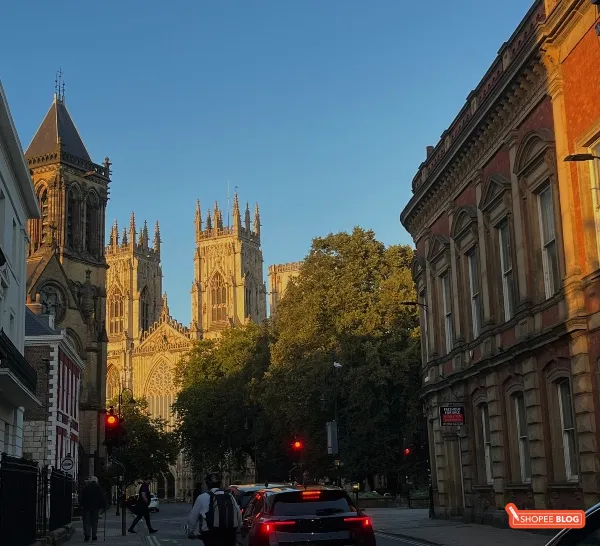
After two rounds of application, I ended up being allocated to the University of York. Back then, I barely knew what to expect, as my only impression of York was that it was a small historic town that inspired Diagon Alley in the Harry Potter series. Nonetheless, the months of preparation leading up to my exchange programme had made me incredibly excited for what was to come (Granted, I was a bundle of nerves on the actual date of my flight, but I was still mostly excited).
If you aren’t sure where exactly that is, don’t worry, I didn’t either. For the record, York isn’t the same place as New York, and neither is it the same as York University in Canada (Confusing, I know). Instead, York is located across the Atlantic Ocean in Northern England. If you know where Leeds is (looking at all the football fans), York is 20 minutes away by train. I was there from September 2024 to January 2025, which meant that I also got to experience the harsh English winters first-hand.
Although York was not actually my first choice (that belonged to Edinburgh), it’s safe to say that I did not regret going to York even the slightest bit. I was and still am infinitely grateful for the experiences and connections that I have gained as an exchange student.
During the student exchange programme
Moving in and the jetlag
Adjusting to classes abroad
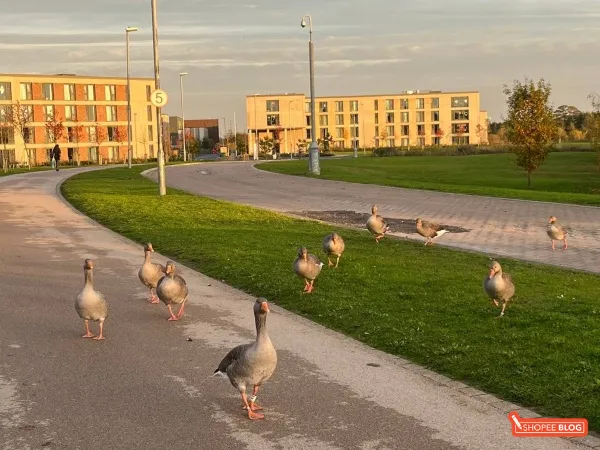
Attending classes, keeping up with readings and submitting assignments are parts of studying abroad that barely anyone talks about. Understandably so, since most people’s impressions of an exchange student are that of a classmate who is almost always absent from school and in a different country instead.
While the modules that I took while studying abroad did not count towards my CGPA, which alleviated much of the academic pressure, obtaining at least a passing grade was still required. Hence, I made the most out of my learning by showing up for lessons and participating actively. I was intrigued by how the teaching and learning styles differed in Singapore and the United Kingdom. Seminar classes were largely discussion-based. While many of us in Singapore carry laptops, students there prefer analogue methods. They also seemed more outspoken and enthusiastic, which encouraged me to contribute more. As an English Literature student studying texts produced in England, being immersed in the environment of the books I had read was especially exciting.
Budgeting struggles
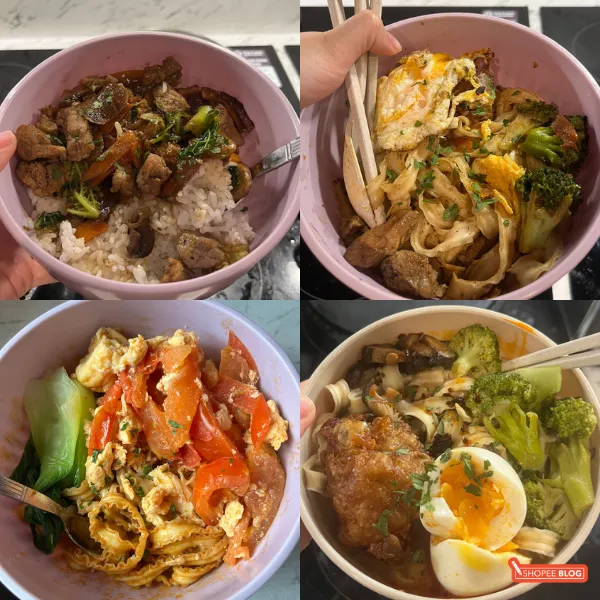
Even with scholarships and grants, exchange programmes can still be very expensive. This is especially true in Europe and the Americas, where daily expenses can add up significantly due to the high cost of living. My cai png costs around 14SGD in England, which I consider blatant daylight robbery.
I knew that my bank account was not going to look great, so here are some things that helped me to better manage my finances as an exchange student:
-
- Keeping a spreadsheet: I recorded all my expenses, from daily expenses like food and groceries to big-ticket purchases like flights and accommodation.
- Cooking my own food: My accommodation did not provide meal catering, and unlike in Asia, buying food outside is exorbitantly expensive. Meanwhile, groceries were significantly cheaper than buying takeout. Not wanting to burn a hole in my wallet, I turned to meal-prepping even though I barely knew how to switch on the stove. I’m proud to announce that not only did I avoid burning down the kitchen, but my cooking skills have also improved.
- Getting a local SIM card: One of my seniors recommended that I buy a local SIM card to save money in the long term, and she was absolutely right. Take the time to research the telcos in your host country, and feel free to ask around, whether online or from seniors, for recommendations on the best data plan to get.
Combating the cold
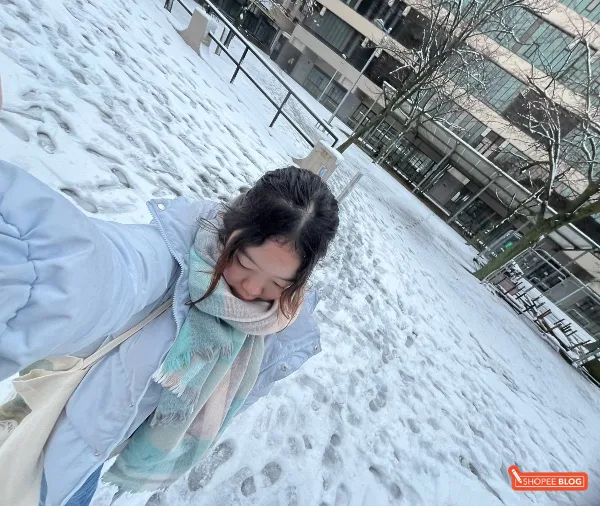
Before my exchange, I could not remember the last time I experienced temperatures below 20°C. Having barely travelled outside Southeast Asia, the thought of facing the European cold was intimidating. Thankfully, I arrived in England at the start of autumn and adjusted gradually over five months. Having the right gear made all the difference. Here are some holy grails that I brought to face the cold climate:
- A good winter jacket: England is especially notorious for its rain. However, compared to Singapore, the rain usually comes as light, passing showers. Rather than carrying an umbrella, I found that it was more convenient to wear a waterproof winter jacket that protects against both wind and rain.
- Heat tech: Thin but functional, this was a lifesaver, especially since I wanted to keep warm without appearing like a marshmallow. Heat tech also does not occupy too much luggage space, so I was able pack quite a few of them.
- Hand warmers: In winter, it’s important to keep one’s hands warm to prevent frostbite. Hand warmers can come in the form of disposable heat pads or portable rechargeable warmers.
I learnt the hard way to always make sure that the heater at my accommodation is working properly. Winter nights can be bitterly cold, and spending one subzero night relying on a hair dryer for warmth was a humbling experience.
Exploring Europe
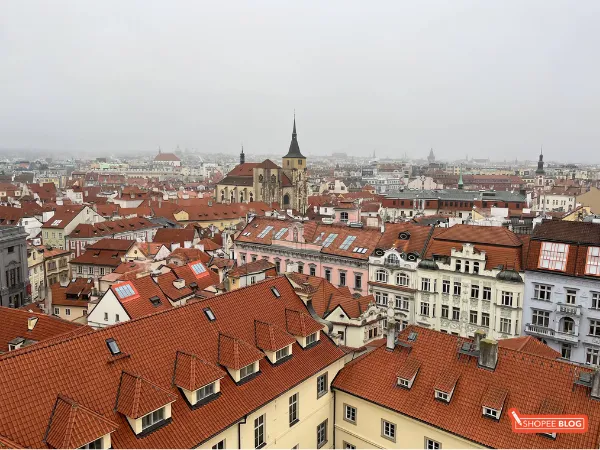
Wanting to see as much of Europe as possible, I spent many weekends backpacking. Some trips were planned months ahead, like a 12-day tour of France during recess week to catch the Grand Prix Figure Skating competitions.
Others were completely spontaneous. Flights within Europe were surprisingly cheap, with some flights even costing less than 60SGD. The Skyscanner app and my brain after midnight made for a dangerous pairing. The first time I booked a weekend flight was an impulse decision made at 1am after seeing cheap flights to Gothenburg. And that decision sparked many more weekend getaways.
I eventually worked up the courage to try solo travelling as well! Although this may not be everyone’s cup of tea, solo travelling was something that had been on my bucket list since I liked my own company and the idea of exploring at my own pace. Prague, Vienna and Budapest will always have my heart for being my first few solo travel destinations.
Travel hiccups
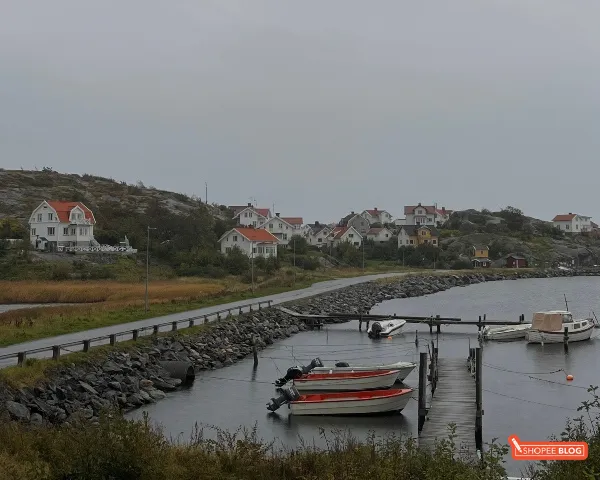
While on the road, I learnt to expect the unexpected. After travelling to 11 countries in five months, I ran into my fair share of hiccups, from getting caught in a heavy downpour on a Swedish island to missing a bus and nearly getting stranded in London at midnight.
These situations might have been avoidable with better planning, but once they happened, there was no point dwelling on it. The problem wasn’t going to solve itself! Instead, what I did was to keep calm and figure out the next best solution step by step. Maybe there was another train or bus arriving, or maybe there was someone in the area that I could contact for help. In the end, as you can probably tell, I made it through in one piece!
Whatever happens, do not panic. You will get out of it, and you will come away with a story worth sharing.
Missing home
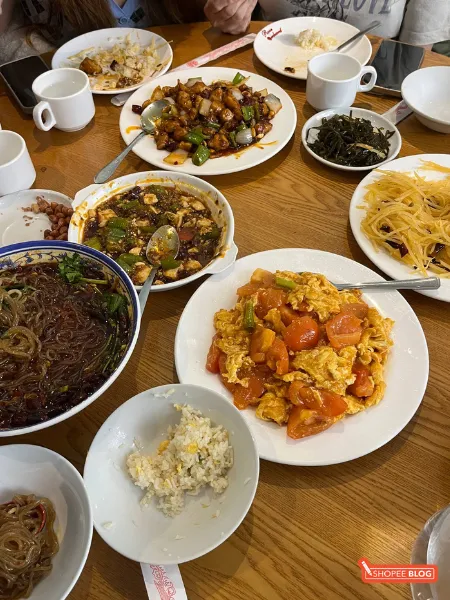
Homesickness hit hard in December. The trees had withered, temperatures fell below 10 degrees, and the sun was setting at 4pm instead of 6pm.
Video-calling my parents and my friends helped. But as a self-proclaimed foodie, there is no better remedy than the comforting taste of food from home, so imagine my absolute delight when my roommate discovered a Chinese restaurant just 15 minutes away from where we stayed. My roommate, who had tried the food previously and loved it, insisted that I try their mapo tofu and tomato egg stir-fry. I still remember the first bite of these dishes, clear as day. The tofu had the perfect numbness and heat, while the eggs were creamy and soft. To this day, I regret not asking for the recipe.
We were also overjoyed to find an Asian mart right next door, stocked with everything I craved from back home: Kaya spread, Haidilao instant hotpots, and even Milo powder! Granted, the prices were higher than in Singapore, but I happily paid them. All I wanted was kaya butter toast.
Saying goodbye
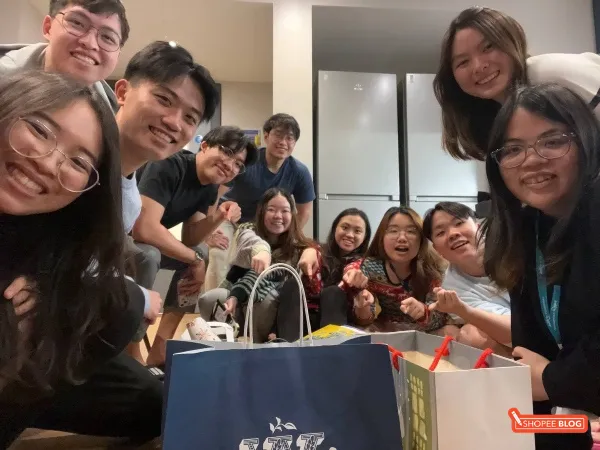
Despite its name, my post exchange blues began weeks before I flew home. December felt like borrowed time, as each passing day brought us closer to the end, and I wasn’t ready to say goodbye.
We organised an early Christmas party as a farewell, ordering food from our favourite Chinese restaurant, exchanging Secret Santa gifts and playing games with TikTok dance forfeits. The night was an absolute blast but also bittersweet, knowing it would be our last big gathering in York. Some were flying home soon, while others went on final trips across Europe or stayed on in England a little longer.
In my opinion, being with good company can really make or break an exchange experience, and I am incredibly grateful for the friends I found. My journey would not have been the same without them.
More advice for an exchange student
There is no “right” way
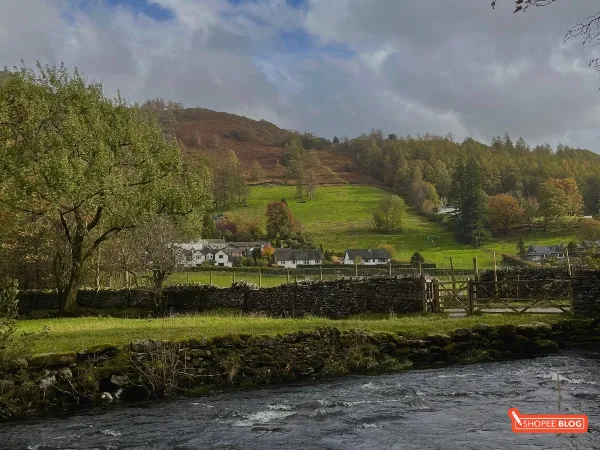
I am someone who makes it a mission to explore as many places as possible, sometimes hopping between cities daily. After all, I do not know when I will be back. That said, travel fatigue is real, and this pace is not for everyone. Some of my friends preferred slowing down and savouring just a few places.
Ultimately, there is no one-size-fits-all approach to being an exchange student; it depends on what you want to gain. 5 months felt long at first, but weeks flew past, and I belatedly realised how little time there actually was for me. Hence, it is important to make the most out of your time abroad by planning around your priorities. More travel means less time in your host city, and vice versa.
Safety first at all times
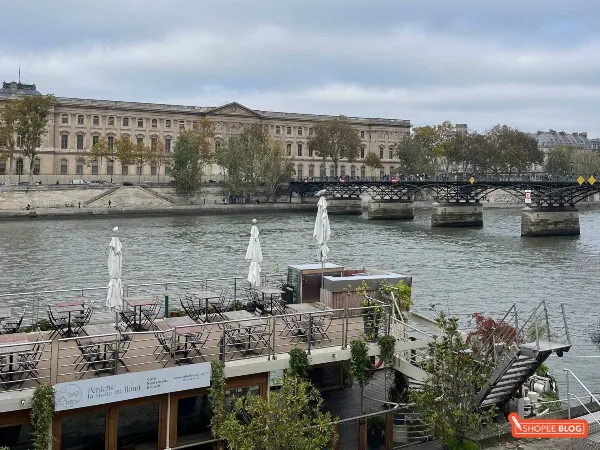
If you have seen those social experiments where influencers leave their laptops unattended, you will know how safe Singapore is compared to many other cities. I had heard enough stories about phone snatchings in London and scams in Paris to stay cautious. As a rule of thumb, I prioritised safety over saving money.
Here are some precautions I followed while travelling:
-
- Avoid wandering to deserted locations alone. I always made sure to stay in the city centre and avoided walking alone at night. Singapore has enough hidden gems, so I didn’t need to hunt for them elsewhere.
- Guarding valuables closely. Pickpockets thrive in crowded places like train stations. I made sure to always keep my bags in sight and used a phone strap for extra security.
- If staying in hostels, avoid mixed-gender rooms. As hotels in Europe can be expensive, I often stayed in hostels. When travelling solo, I made it a point to book female only rooms.
- Trusting my instincts. If I sensed that something was amiss, I followed my gut and did not hesitate to leave.
- Keeping my phone charged at all times. This ensured that I remained contactable in case of emergencies and had access to maps for navigation. Investing in a good power bank and universal adapter also helped.
Have fun on your exchange programme!
Unfamiliarity and uncertainty may be intimidating, but they can also be invigorating. Now that you know what to prepare before studying abroad, look forward to having the time of your life, whichever corner of the world you will be in!
If you are on the hunt for a good carry-on luggage to bring along on those weekend trips, check out our list of the best carry-on luggage. Furthermore, check out our winter essentials packing list so that you are well-equipped to combat the cold.
This article was updated on 2 March 2026. Additional research done by Wen Xinyue.