

I’m a matcha girlie through and through, but let me be real: sometimes matcha from cafes just does not hit. Either it’s too bitter, too milky, too sweet, or somehow costs $8 but tastes like sadness. And honestly? I find it way more satisfying (and therapeutic) to make my own. Plus, I get to tweak it exactly how I like it. More creamy? Done. Less sweet? Easy. Iced because Singapore feels like a sauna? Say no more. So today, I’m letting you into my little ritual: how to make matcha at home.
What is matcha and why is everyone obsessed?
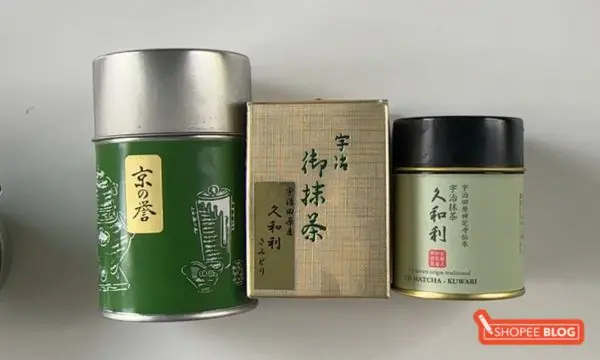
Matcha is a finely ground powder made from specially grown green tea leaves. Unlike regular green tea, which is brewed by steeping the leaves in hot water, matcha is whisked directly into water. This usually imparts a naturally richer flavour, more vibrant colour and a higher concentration of antioxidants.
Originating from Japan, matcha has long been part of traditional tea ceremonies and continues to be produced using time-honoured methods such as shade-growing, hand-picking, and stone-grinding. These steps contribute to its smooth texture, balanced taste, and characteristic umami.
Matcha grades
Matcha typically comes in two main grades:
- Ceremonial grade: Bright green, smooth, and delicate. Best enjoyed on its own with just water.
- Culinary grade: Slightly more robust, making it ideal for lattes, baking, and cooking.
Regardless of the grade, when you’re choosing matcha, look out for its colour – it’s typically the best indicator of quality. A fresh, high-quality matcha should appear vibrant and green. If the powder looks dull, yellowish, or grey, it’s usually a sign that it has oxidised or is of lower quality.
Matcha usucha or koicha
You can prepare matcha in two different ways: Usucha or Koicha.
| Feature | Usucha (“Thin Tea”) | Koicha (“Thick Tea”) |
| Matcha-to-Water Ratio | Lower: approx. 1.5–2g of matcha to 60–80ml of water | Higher: approx. 3.5–5g of matcha to 20–40ml of water |
| Consistency | Thin, light, and frothy (like a cappuccino) | Thick, dense, and syrup-like (like melted chocolate) |
| Preparation | Whisked vigorously in a “W” or “M” motion to create foam | Slowly “kneaded” or stirred with a bamboo whisk until smooth |
| Flavor Profile | Lighter, more refreshing, with a balance of sweet and earthy notes | Intense, full-bodied, rich umami, with noticeable natural sweetness and less bitterness |
| Quality of Matcha | Can use ceremonial or high-quality culinary-grade matcha | Requires high-quality, premium ceremonial-grade matcha to avoid bitterness |
| Occasion | Common for everyday drinking | Reserved for special occasions and traditional, formal tea ceremonies |
How to make matcha tea (Traditional method)
For this, I’ll be preparing usucha. Simple, clean, and closest to how it is traditionally enjoyed in Japan. This method creates a pure, refreshing cup of matcha tea with a balanced flavour.
What You’ll Need
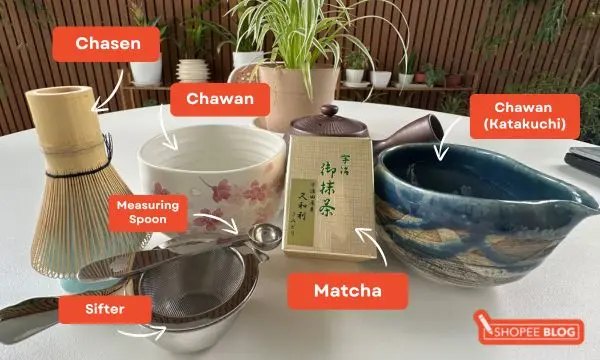
Here are the basic stuff you need for your matcha kit:
- Matcha powder: Choose a fresh, bright green ceremonial or high-quality culinary grade. For this article, I’m using Premium Samidori Kuwari.
- Chasen (bamboo whisk)
- Chawan (Tea bowl or wide mug): I’m using a katakuchi bowl with a spout for easy pouring.
- Chashaku (bamboo scoop or a regular measuring spoon should be okay)
- Sifter: Reduces clumping, especially in humid climates.
- Hot Water in a kettle or teapot.
Optional:
- Scale: To get the exact ratio for matcha and water
- Extra chawan or a mug/jar for your chasen
How to prepare usucha
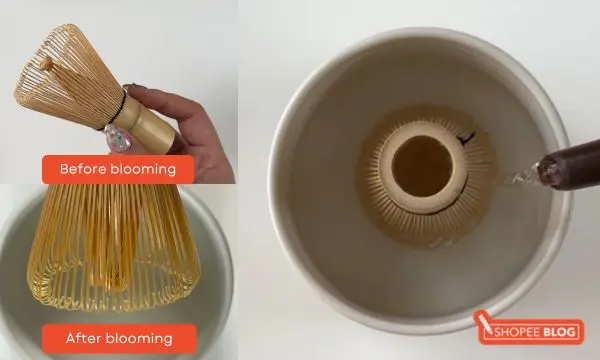
1. Bloom your chasen. Fill up the extra chawan or mug with hot water and soak your chasen in it. The hot water softens the bamboo bristles of your chasen. Without this, your chasen will be stiff and easily break when whisking.
2. Warm up your chawan. Put hot water and swirl it around the bowl to distribute the heat. Discard the water right after.
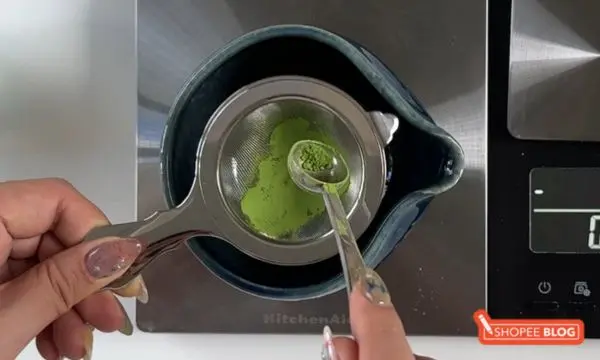
3. Scoop and sift your matcha. Measure 2 chashaku scoops or 1 teaspoon of matcha (approx. 1.5 grams). Sift to prevent clumping, as this can cause a bitter flavour.
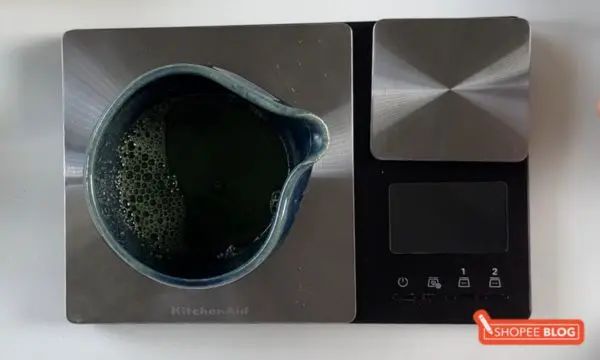
4. Add hot water. Pour around 70ml of hot water (70–80°C).
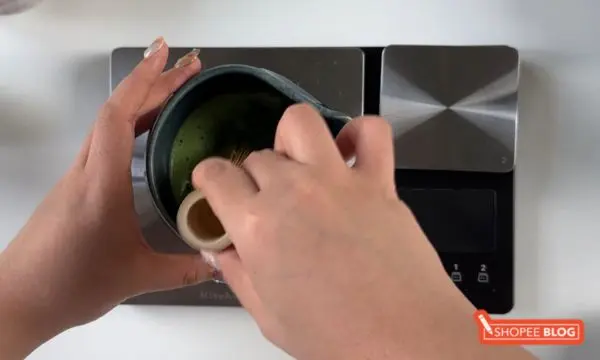
5. Whisk your matcha. Use your wrist and whisk briskly in a zig-zag motion until frothy. Make sure the chasen does not scrape around the bowl’s surface. Do the 30-20-10 method to achieve microfoam:
- 30 seconds: vigorous whisking (zig-zag motion)
- 20 seconds: moderate speed
- 10 seconds: slow whisking to smooth out large bubbles
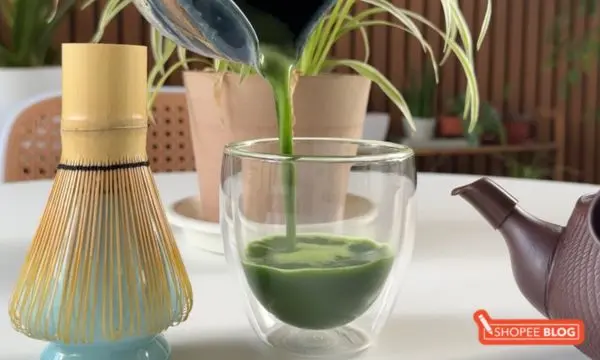
6. Serve and Enjoy. Once you have your usucha, you can drink it straight from the chawan or transfer it to a teacup. You can adjust the matcha-to-water ratio to your liking.
How to make matcha latte (Modern methods)
Paste Method
The paste method gives you a thicker consistency while making sure that there are no clumps forming. I often prefer this method when I’m making matcha at home for a more frothy and creamy texture.
1. Before starting, always bloom your chasen and warm up your chawan with hot water.
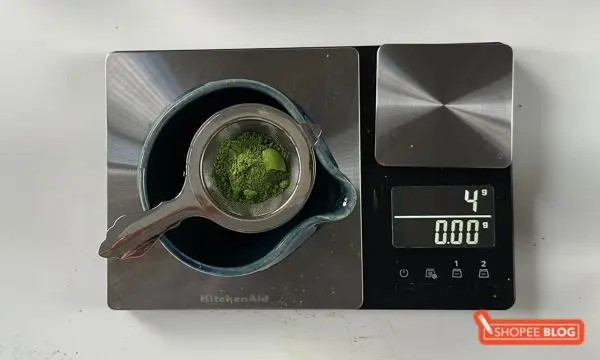
2. Scoop around 4-6 grams of matcha and sift it into your heated chawan. You can adjust the measurements according to how strong you want it to be. Personally, I use 4 grams on a normal day, but if the matcha I’m using has a light taste, I prefer to have up to 6 grams.
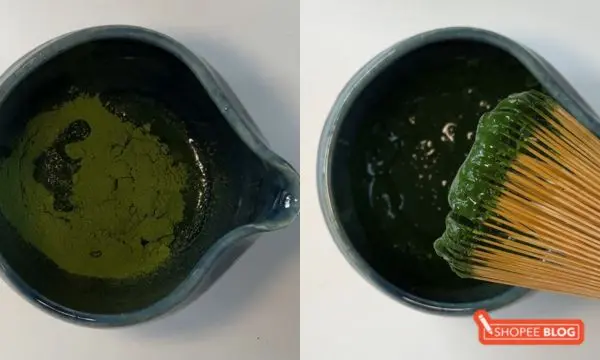
3. Add around 5ml of room temperature water first and mix it in until you form a matcha paste. Be careful not to splash the paste around while mixing because it can be a pain to clean from your chasen.
4. Once your paste is formed, add around 20ml of hot water and immediately whisk in a zig-zag motion using the 30-20-10 method. Your matcha is ready once the top shows a foamy texture.
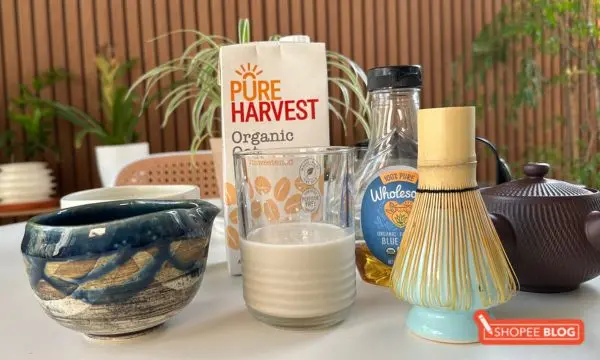
5. Get your choice of milk and pour 120ml into a glass. For this, I’m using oat milk and I mostly just eyeball the measurements.

6. You can add sweeteners of your choice. I usually use agave syrup for just the subtle sweetness needed.

7. Pour in your matcha and watch the layers blend beautifully together!
Cold Whisking
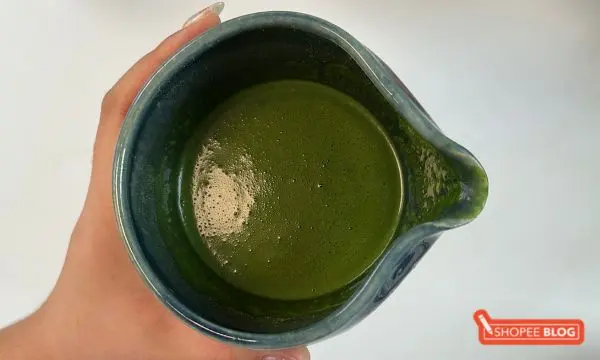
Instead of mixing the matcha with hot water, you can mix the it directly with the milk with this method. Cold whisking preserves the punchy flavour. This is perfect for those who like the strong grassy notes.
- After blooming your chasen and warming your chawan, sift 3-4g of matcha.
- Add around 50ml of cold milk of your choice. For this one, I’m using oat milk.
- Gently mix in the powder into the milk with slow zigzag motions. Once it’s fully incorporated in the milk, whisk fast for 2 minutes. Twirl the whisk around to break down any clumps.
- Lightly whisk the surface to get rid of airy bubbles.
- Add 100ml of milk to a glass, add your sweetener of choice, then pour the matcha on top, and enjoy!
Matcha Shaker

If you’re in a hurry and have no time to set up and clean all your materials, let alone bloom your chasen, this matcha shaker is a real lifesaver! It’s not as frothy and creamy as the previous methods, but it does the job!
- Scoop 3-4g of matcha inside the shaker. No need to sift for this one.
- Fill 3/4s of the shaker with room temperature water.
- Make sure the shaker is sealed properly.
- Shake vigorously for 2 minutes.
- Gently open the shaker and check if the matcha is mixed well. Sometimes it’s still a little clumpy and thick, just add a tiny bit of water again and do another round of shaking.
- Once you’re satisfied with the consistency, pour it onto your glass of milk with a sweetener of your choice.
Bonus: Different Flavours / Combinations I Recommend
Whenever I get bored of my usual matcha latte, these are the flavour combos I go back to again and again. They’re super simple, taste amazing, and add a whimsical flavour to your cup. I usually use the paste method for these. Here’s how I make each one.
Earl Grey Matcha
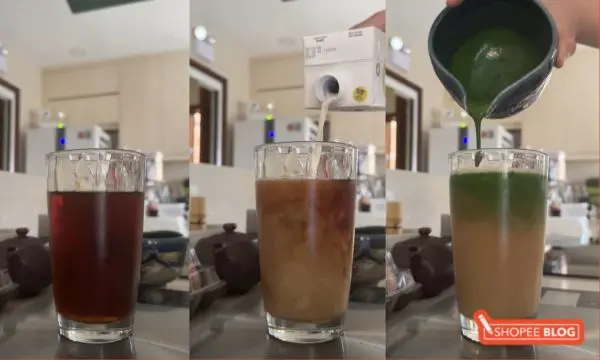
Earl Grey matcha is floral, citrusy, and slightly more complex than a regular latte. The bergamot from the tea blends surprisingly well with matcha’s earthiness. And this is my all-time favourite recipe!
How to make it:
- Brew a strong Earl Grey tea (about 50–60 ml), then let it cool slightly.
- Prepare your matcha base using about 4g of the powder.
- In a glass, add the Earl Grey concentrate, then pour in your choice of milk (around 100–120 ml).
- Pour the matcha on top, add sweetener if you like, and stir or leave it layered.
Toasted Milk Matcha
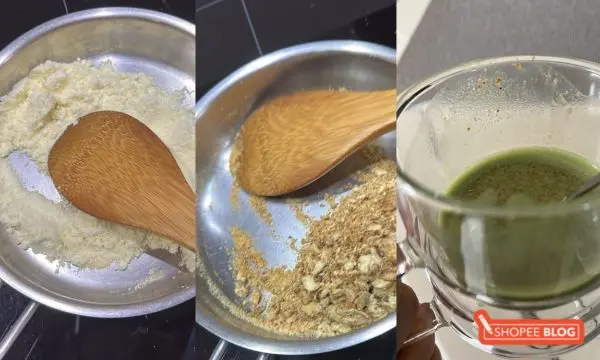
If you want something comforting, this is the one. Toasting the milk powder gives it a slightly caramelised, nutty flavour that feels super cosy.
How to make it:
- Roast powdered milk in a pan. Continuously stir the milk powder around the pan to avoid it from getting burnt. Turn off the heat once it’s golden brown.
- Prepare your matcha paste separately.
- Pour your choice of milk into a glass and mix in the toasted milk powder.
- Add your matcha and sweetener.
Dirty Matcha
Dirty matcha combines espresso and matcha in one drink. Strong, bold, and great for long days when you want both coffee and tea.
How to make it:
- Pull one shot of espresso (or make a strong coffee concentrate).
- Prepare your matcha latte base.
- Slowly pour the espresso shot on top to create a layered effect, or stir it in for a more blended taste.
Kaya Matcha
Kaya matcha is a fun local twist I experimented on at home. It surprisingly turned out great! The coconutty sweetness of kaya adds a kopitiam vibe to your usual matcha latte.
How to make it:
- Add 1–2 teaspoons of kaya into your glass or mug.
- Pour in a small amount of hot water and stir until the kaya dissolves.
- Prepare your matcha latte base separately (using your preferred method).
- Pour the matcha latte over the kaya mixture, give it a gentle stir, and adjust sweetness if needed.
Frequently asked questions about making matcha
How to clean my matcha tools?
Chasen (Bamboo Whisk):
- Rinse the bottom part immediately after use by whisking it in warm water. The powder should rinse off easily while still fresh. Avoid pulling, bending, or pressing the bristles.
- Do not use soap; it can get trapped in the bamboo and affect the flavour of future cups.
- Place the whisk on a chasen holder to maintain its shape and allow it to dry evenly. Let it air-dry fully in a cool, well-ventilated area before storing. Never store it inside a closed container while damp, as this can cause mould growth (trust me, I’ve been there, done that).
Chawan (Tea Bowl):
- Rinse with warm water after use.
- Use mild dish soap only if needed, ceramic is less sensitive.
- Avoid harsh scrubbers; a soft sponge is enough.
- Dry fully before storing to avoid water stains or odours.
Chashaku (Bamboo Scoop):
- Wipe gently with a dry or slightly damp cloth.
- Avoid using soap or soaking it in water, as this can warp or discolour the bamboo.
- Air-dry completely before storing.
Matcha Shaker:
- Rinse with water to clean off the matcha residue.
- Add a dollop of dishwashing soap and fill it with water halfway through.
- Shake the matcha shaker and rinse. I usually leave the soap solution in for 15 minutes before I rinse it off for the residue to really lift from the bottom.
- Let it dry before closing and storing.
Matcha tools can be quite expensive. That’s why it’s important to properly clean them to maintain their quality, extend their lifespan, and keep your matcha tasting good.
Does matcha contain caffeine?
Yes, matcha contains caffeine.
Because it’s made from consuming the whole tea leaf rather than steeping it, it typically contains more caffeine per gram than regular green tea. A standard serving (1 teaspoon or about 2 grams) usually provides 60–80 mg of caffeine, though this can vary depending on the grade of matcha and how much you use.
Matcha is known for delivering a smoother, more stable energy boost compared to coffee. This is due to L-theanine, an amino acid naturally present in it. L-theanine promotes calmness, reduces jitters, and helps prolong caffeine’s effects, often described as “focused alertness” rather than a sudden spike.
How should matcha be stored?
Matcha is highly sensitive to light, heat, humidity, and oxygen, all of which can cause it to oxidise and lose flavour, colour, and nutritional value.
For best results:
- Store it in an airtight, opaque container.
- Keep it in the refrigerator once opened to maintain freshness.
- Avoid leaving it on the counter, near sunlight, or in warm areas such as near the stove.
- Use a dry spoon every time to prevent moisture from entering the tin.
- Consume within 1–2 months after opening for the best flavour and colour.
Proper storage ensures your matcha stays vibrant, smooth, and fresh-tasting.
Why does my matcha taste bitter?
Several factors can cause it to taste overly bitter:
- Water temperature is too high: Using boiling water can scorch the powder. It should be prepared with water at 70–80°C.
- Low-quality: Lower grades are more astringent and dull in colour. High-quality matcha should taste smooth with natural sweetness and umami.
- Too much matcha powder: Using more than 1 teaspoon in a small amount of water can concentrate bitterness. Adjust the ratio if needed.
- Improper whisking: When it’s not mixed well, clumps create bursts of bitterness. Sifting and whisking properly helps.
Bitterness is usually easy to fix, just reduce the temperature, adjust the ratio, or upgrade the quality of your powder.
What milk works best for matcha lattes?
The best milk depends on the flavour and texture you prefer, but some types pair exceptionally well:
- Oat milk: Creamy, slightly sweet, and froths well. This is one of the most popular options for matcha lattes.
- Soy milk: Neutral, smooth, and brings out the matcha’s earthiness. Great for a balanced taste.
- Cow’s milk: Rich and stable for frothing, producing a classic café-style latte.
- Almond milk: Light, nutty, and less creamy; good if you prefer a lower-calorie option.
- Coconut milk: Adds natural sweetness, though its stronger flavour can sometimes overshadow the matcha.
I personally prefer oat and soy milk! I find these end up having the most consistent texture without separating.
Go froth and whisk!
Preparing matcha by yourself can be a bit intimidating at first. Trust me, I’ve had my fair share of trial and errors before I was able to find the perfect process for my liking. Until now, I’m experimenting with different ways I can mix it up! It’s fun to come up with ways to customise the flavour and consistency to your own preference.
Store drinks can be hit-or-miss, but at home, you can ensure it’s made exactly the way you like it, balanced, smooth, and consistent every time!