
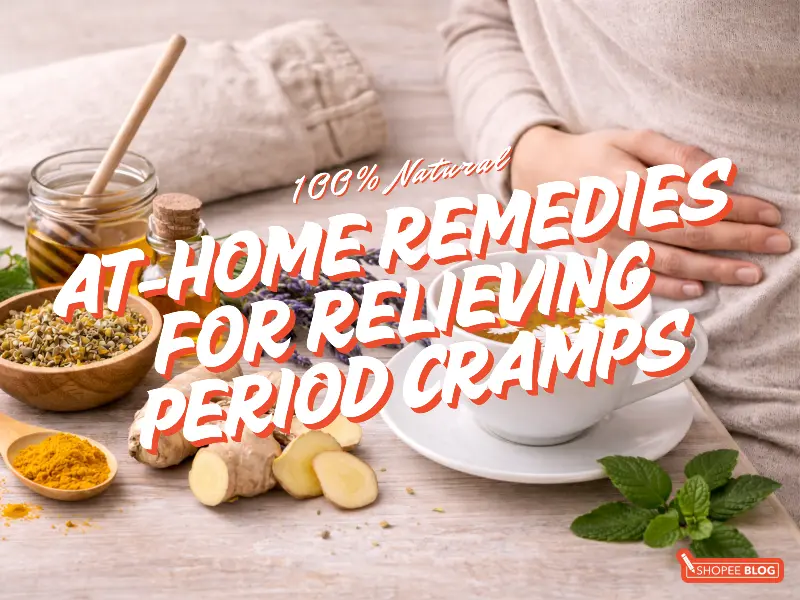
Period cramps are the literal worst – I know this from years of personal experience. Every month, I used to find myself curled up in pain, wondering how to stop menstrual cramps without constantly popping pills. Over time, I discovered that natural home remedies for menstrual cramps can be incredibly effective at providing quick relief and even preventing the pain from getting too intense. If you’re trying to find out how to stop period pain immediately at home, keep reading – sweet relief may be just a cup of tea or a cosy pillow away!
1. Apply heat to relax the uterus
One of the fastest ways to stop period pain immediately at home is to apply heat to your lower abdomen or back. A warm hot water bottle or electric heating pad can work wonders in minutes by relaxing the uterine muscles and improving blood flow. I never skip this step – you’ll often find me on the sofa with a hot pack tucked under a fuzzy blanket when cramps strike. Research even shows that heat can relieve menstrual cramp pain as effectively as some medications.
In short, warmth is your friend. Whether it’s a reusable heat patch, a rice sock warmed in the microwave, or a soothing hot towel, heat therapy melts away tension and eases that relentless ache.
2. Enjoy a warm bath (Bonus: Add Epsom salt)
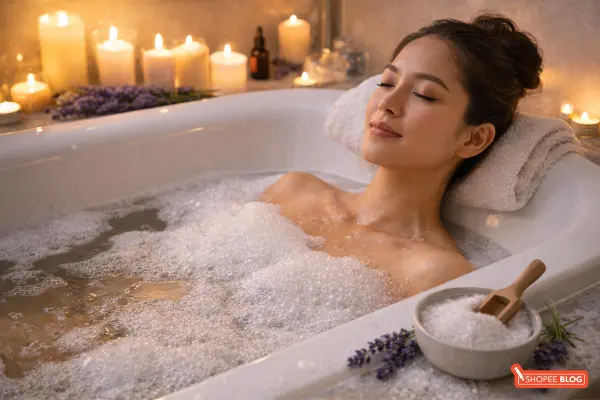
When cramps have you feeling tense all over, a warm bath is pure bliss. Soaking in comfortably hot water helps your whole body unwind, which in turn can relieve the tight cramps in your belly and lower back. I love to dim the lights, add some bath foam or a few drops of lavender oil, and just let the warmth wash over me.
For an extra boost, try adding a cup of Epsom salt to the bath – it’s high in magnesium, which may help relax muscles and reduce pain. Even 15-20 minutes in a hot bath can loosen up those knotted muscles and dramatically reduce period pain. As a bonus, you emerge not only cramp-free but also calm and ready for some much-needed rest.
3. Gently massage your abdomen (with essential oils)
A gentle abdominal massage can do wonders for painful period cramps. Using your fingertips, massage your lower belly in circular motions. This helps to increase circulation and ease tension in the uterine area. I was sceptical at first, but rubbing my tummy with a bit of warm oil actually provided noticeable relief on a bad cramp day.
For even better results, add a few drops of essential oils like lavender, rose or peppermint to a carrier oil (such as coconut or almond oil) and massage with that blend. Certain essential oils have proven anti-spasmodic effects – studies suggest oils like lavender and rose can significantly reduce cramp severity. The combination of physical massage and soothing scents feels nurturing and can take the edge off your pain. Plus, it’s a great excuse to pamper yourself when you’re not feeling your best!
4. Do some light exercise or stretching
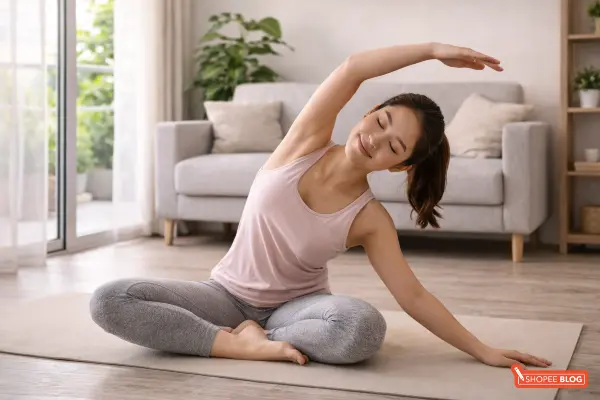
When you’re doubled over with cramps, exercise might be the last thing on your mind. However, gentle movement can actually help relieve period pain. Light activities such as a brisk walk around the block, easy cycling, or even dancing to your favourite song get your blood flowing and stimulate the release of endorphins – those feel-good pain-relieving hormones.
Personally, I’ve found that a 20-minute walk or a quick living-room stretch makes a big difference; it’s like walking off the pain. You don’t need to push yourself too hard – keep the intensity low to moderate. Research has shown that women who exercised regularly (around 30 minutes, 3 times a week) experienced significantly less menstrual pain over time. So, the next time cramps hit, try to gently get moving. Even a little stretching can help unknot those muscles and lift your mood.
5. Try yoga poses for menstrual cramp relief
Yoga is one of my go-to remedies for period cramps. It combines stretching, breathing, and relaxation – a perfect recipe for pain relief. Certain yoga poses are particularly helpful for easing menstrual cramps by loosening pelvic muscles and reducing stress. For example, the child’s pose or cat-cow stretch can relieve pressure in the lower back and belly. The classic foetal position (lying on your side curled up) is actually a yoga resting pose and can reduce cramps by relaxing the abdominal area.
In fact, studies indicate that women who do yoga regularly report less period pain. Even just 15-20 minutes of gentle yoga during your period can release muscle tightness and encourage the body to calm down. Roll out a mat or simply use your bed – breathe deeply into each pose and feel those cramps gradually melt away.
6. Stimulate feel-good hormones naturally
This might come as a surprise, but certain natural activities that release endorphins – your body’s built-in painkillers – can help relieve period cramps. Gentle stimulation that leads to muscle relaxation and increased blood flow may ease cramping in a similar way to how light exercise works. During these moments, the body also releases oxytocin and dopamine, which are feel-good hormones known to elevate mood and reduce discomfort.
While this isn’t for everyone, some women find that exploring this kind of self-care helps manage pain naturally and provides emotional comfort too. It’s a personal choice, but worth knowing that relaxation and hormone-boosting activities can play a role in soothing menstrual discomfort.
7. Sip herbal teas and stay hydrated
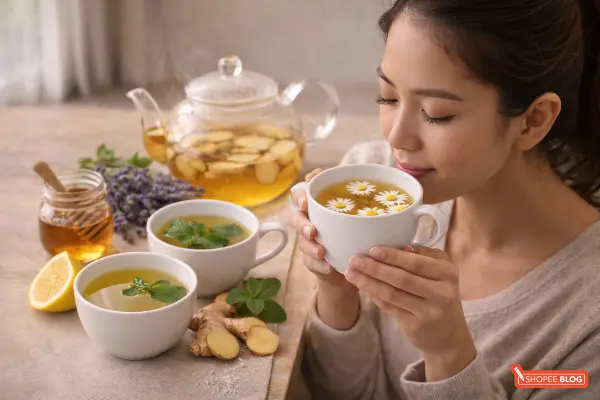
Never underestimate the power of a good cup of tea. When I’m battling cramps, a warm herbal tea is practically a hug in a mug. Teas like chamomile, peppermint, ginger, or fennel have traditionally been used to calm down period cramps. They work in two ways: the warmth of the drink soothes your abdomen from the inside, and the herbs themselves have anti-inflammatory and antispasmodic properties that help relax uterine muscles. For instance, chamomile tea is known to have a calming effect on nerves and muscles, and ginger tea can ease nausea and pain (ginger’s been shown to relieve period pain in some studies just as effectively as ibuprofen!).
Staying hydrated in general is also key – dehydration can make muscle cramps worse, so drink plenty of water throughout the day. I often add a slice of lemon or a dab of honey to my warm water for extra comfort.
8. Eat a balanced, anti-inflammatory diet
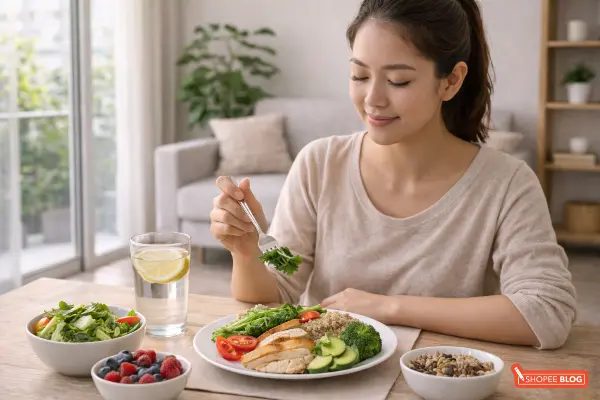
What you eat can impact how bad your period cramps get. I learned this the hard way – endless junk food during PMS made my cramps more miserable. Now I focus on an anti-inflammatory diet. This means loading up on fruits, vegetables, whole grains, lean proteins and healthy fats. Foods rich in omega-3 fatty acids (like salmon, chia seeds or walnuts) are great because they can help lower inflammation. A nutrient-rich diet with plenty of greens, nuts, and calcium-rich foods also supports your body as it goes through menstrual changes.
There’s even research suggesting that following a Mediterranean-style diet (think lots of veggies, fish, and olive oil) is associated with shorter, lighter periods and less menstrual pain. But in general, eating healthy can truly make cramps less intense. It’s a longer-term strategy, but over time, I noticed my monthly pain became much more manageable when I improved my everyday diet.
9. Avoid caffeine, alcohol and salty foods
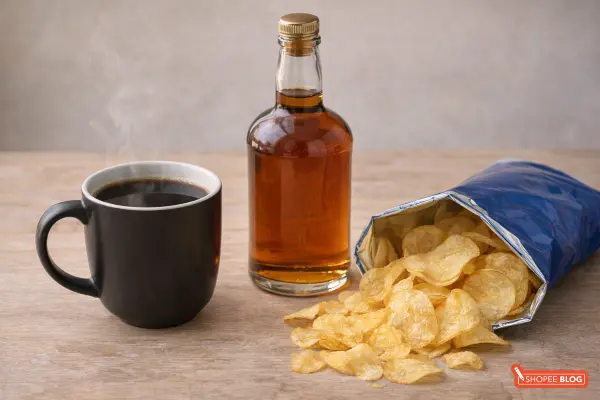
When period pain is pounding, what you don’t consume can be just as important as what you do. Certain foods and drinks can actually make cramps worse, so it’s smart to avoid them if you can (especially during your period). Caffeine is a big culprit – that morning coffee might feel necessary, but caffeine causes blood vessels to constrict, which can reduce blood flow to the uterus and potentially worsen cramps. If you’re suffering from bad cramps, consider switching to decaf or herbal tea for a couple of days.
Similarly, salty foods are not your friend right now. Eating a lot of salt makes your body retain water, leading to bloating that can intensify cramp pain. I’ve experienced that awful swollen feeling and learned to put the chips down during my period. Heavy alcohol intake can dehydrate you and mess with your hormones, possibly making cramps and mood swings harsher – so moderation is key. Also be mindful of super sugary or fatty foods; while that pint of ice cream is tempting, too much sugar can spike inflammation and then crash your energy. Treat yourself in small doses, of course (period cravings are real!), but remember that avoiding known triggers like caffeine and excess salt can spare you some pain.
10. Take helpful supplements (Magnesium, vitamins)
Something that’s really helped me manage period cramps is adding a few key supplements to my daily routine. Nutrients like magnesium support muscle relaxation and reduce inflammation – I personally noticed less cramp intensity after taking a magnesium supplement (or soaking in an Epsom salt bath).
Vitamin B6, vitamin E, calcium, and omega-3s from fish oil are also known to ease PMS and period pain. Plus, natural remedies like ginger, cinnamon, and fennel can help too – either as supplements or ingredients in your meals. Just be sure to follow dosage guidelines, and check with your doctor if you’re unsure. Whether through food or supplements, boosting your intake of cramp-fighting nutrients can make a real difference in how your body handles your period.
11. Relax and reduce stress
Stress and tension can seriously amplify period pain. I’ve noticed that when I’m anxious or lacking sleep, my cramps feel much worse. That’s because stress increases cortisol, a hormone that can heighten inflammation and pain. It also causes your muscles to tense up, which doesn’t help when your uterus is already cramping.
One of the best remedies? Simply letting yourself relax. Try deep breathing, light meditation, soothing music, or just curling up with a hot water bottle and your favourite show. Personally, I find that a 5-minute mindfulness meditation during a flare-up helps shift my focus away from the pain. The more relaxed your body and mind are, the less intense cramps tend to feel. So don’t underestimate the power of rest and self-care – it’s not a luxury, it’s part of your pain relief plan.
12. Consider acupressure or acupuncture
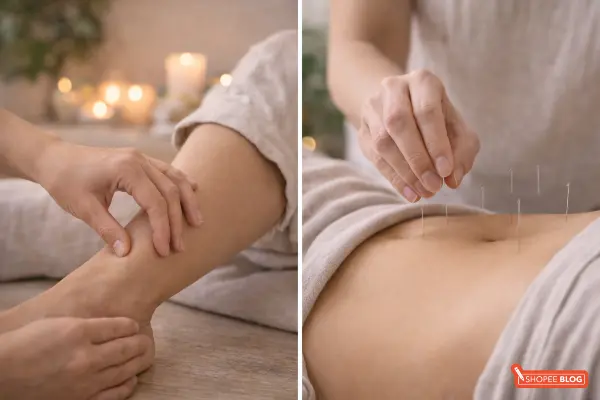
If you’re open to trying alternative remedies, acupressure or acupuncture could offer relief for stubborn cramps. Acupuncture is done by a trained professional using fine needles at specific points to help balance energy and ease pain. Acupressure, which you can try at home, uses finger pressure instead of needles. A well-known spot for menstrual pain is about four finger-widths above your inner ankle bone – gently massaging this area can help in some cases.
I was sceptical at first, but after trying a simple acupressure routine, I did feel some relief. Studies suggest both methods may reduce the severity and duration of cramps for some women. While results can vary from person to person, these techniques are worth considering – especially if you’re dealing with intense discomfort and looking for natural, non-invasive options. Just be sure to consult a qualified practitioner if you’re new to acupuncture.
How do you get immediate relief from period cramps?
When cramps hit hard, combining a few quick remedies often works best. My go-to combo is some heat, light movement, calming breaths, and a warm drink – simple, soothing, and seriously effective. But here’s what you can try for fast, natural relief:
Apply heat
Place a heating pad or hot water bottle on your lower belly. It relaxes your uterine muscles and often brings relief within minutes.
Move gently
Light movement boosts blood flow and releases endorphins. Try:
- A short walk
- Gentle stretches
- Yoga poses like cat-cow or child’s pose
Massage your abdomen or back
Use your fingers to massage your lower belly in slow circles, or ask someone to gently rub your lower back.
Practise deep breathing
Breathe in for 4 counts, then out for 6. This helps your body relax and can ease the perception of pain.
Try a TENS machine (if you have one)
A TENS device sends gentle electrical pulses that reduce pain signals. It’s drug-free and offers quick relief for some.
Stimulate endorphins naturally
Activities that trigger endorphins (like laughter or certain forms of relaxation) can help your body calm down and reduce cramping.
What is the best position for cramps?
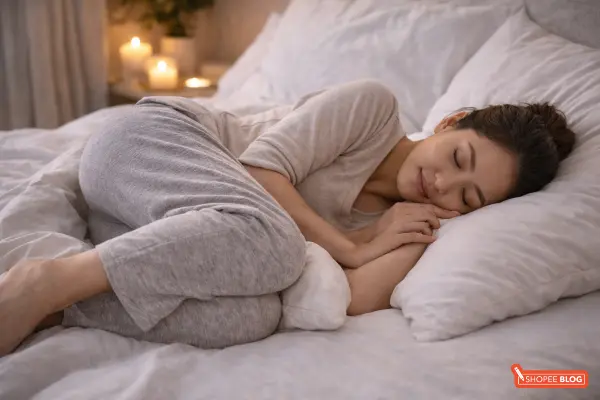
The best position for cramps is generally the foetal position. This means lying on your side with your knees drawn up toward your chest (essentially how a foetus is curled up in the womb). This position is widely recommended by experts and women alike because it helps relax the muscles in your abdomen and around your uterus.
By reducing tension in those muscles, the foetal position can lessen the pressure and pain of menstrual cramps. I often sleep or rest this way during my period – it really does bring some comfort. You can also add a pillow between or under your knees for extra support, which keeps your hips aligned and takes strain off your lower back. Another good position is lying on your back with a pillow under your knees; this elevates your legs slightly and can ease the ache in your abdomen and back.
What causes severe period cramps?
Severe period cramps are often caused by high levels of prostaglandins – chemicals that trigger strong uterine contractions to help shed the lining. When too many are released, the cramps become more intense and painful. This is known as primary dysmenorrhea.
But in some cases, extreme cramps can be linked to underlying conditions like endometriosis, fibroids, adenomyosis, or pelvic inflammatory disease. These are called secondary causes and may make periods much more painful. Other factors, such as being under 20, just starting your period, family history, or high stress level,s can also play a role.
If your cramps are so severe that they disrupt your daily life or seem to be getting worse, it’s important to speak to a doctor. Listening to your body and getting the right support can help you manage or uncover the root cause of the pain.
Why is period pain worse at night?
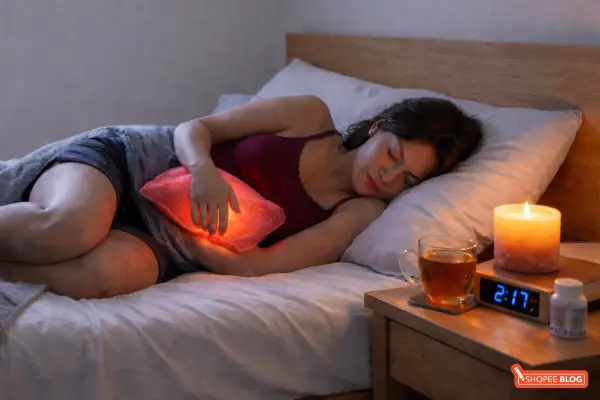
You’re not imagining it – period cramps often feel worse at night. When you lie down, blood flow to the uterus can increase slightly, which may intensify cramping. During the day, being upright or active helps ease discomfort, but at night, your stillness can make the pain feel sharper.
With fewer distractions at bedtime, you also become more aware of the sensations. Stress or anxiety – especially about leaking or staining sheets – can further heighten discomfort. On top of that, poor sleep lowers your pain tolerance, creating a cycle that’s hard to break.
To ease nighttime cramps, try a calming routine: take a warm bath, sip herbal tea, or do some light stretches. Sleeping with a heating patch and using leak-proof bedding can also help you rest more comfortably. In short, nighttime makes pain feel more intense – but a few mindful steps can make all the difference.
How to stop period pain immediately at home with these natural remedies
Relieving menstrual cramps quickly is absolutely possible with the right combination of home remedies and self-care. From cosy heat pads and gentle yoga stretches to a steaming cup of herbal tea, you now have a toolkit of natural remedies to stop period pain immediately at home. And don’t forget, choosing the best sanitary pads in Singapore that suit your flow can prevent leaks and stress at night. Ultimately, dealing with period cramps is about caring for yourself. If you’re interested in more holistic health tips, discover some green tea health benefits or find out how essential oils can help with relaxation.






![affordable activewear in singapore [featured]](https://shopee.sg/blog/wp-content/uploads/2024/11/affordable-activewear-in-singapore-featured-360x180.webp)