


Have you ever wondered why a skincare routine that works for your friend doesn’t work for you? The answer lies in your skin type. Our skin is as unique as we are – there’s no one-size-fits-all skin care routine. Using products not suited to your specific needs can lead to breakouts, dryness or other issues. The key to healthy, glowing skin is choosing the best skincare routine tailored to your skin type. In this guide, we’ll walk you through how to choose the right skincare routine for your skin type.
Understanding your skin type

Before picking products or setting up a regimen, it’s crucial to identify your skin type. Here are the main skin types and their tell-tale signs:
- Oily skin: Your face often looks shiny or feels greasy by midday. You might have enlarged pores, and you’re prone to blackheads and breakouts. Makeup tends to slide off during the day.
- Dry skin: Your skin feels tight, rough or flaky, especially after cleansing. It may have a dull appearance and can be prone to fine lines. Dry skin often feels itchy or irritated in cold, dry weather.
- Combination skin: You have an oily T-zone (forehead, nose and chin) but dry or normal cheeks. It’s a mix – some areas get oily and breakout, while others can be sensitive or flaky.
- Sensitive skin: Your skin reacts easily – it might turn red, itch or sting when you use certain products or even with changes in temperature. Sensitive skin often flushes and can be prone to rashes or breakouts from harsh ingredients.
- Normal skin: Lucky you – your skin is generally balanced, with no persistent oiliness or dryness. You rarely break out, and most products don’t irritate you.
Skin care routine for oily skin: Managing excess shine
If you have oily skin, the main aims are to control excess sebum and prevent clogged pores, while still keeping your skin hydrated. Here’s an ideal skin care routine for oily skin that strikes that balance:
1. Gentle cleansing (twice daily)
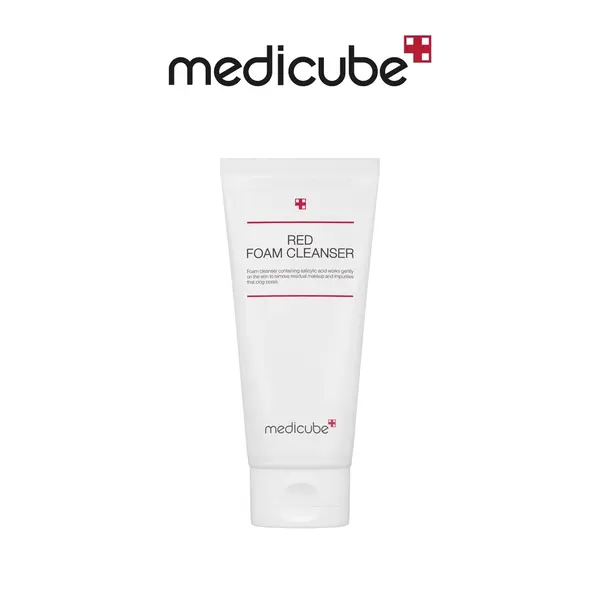
Gently wash your face in the morning and before bed to remove dirt, sweat and impurities. A gel or foam cleanser with ingredients like salicylic acid is great for dissolving excess oil and keeping pores clear. Be careful not to use anything too harsh or drying – stripping all the oil can actually prompt your skin to produce even more oil to compensate.
Our recommendation:
2. Tone (Optional)
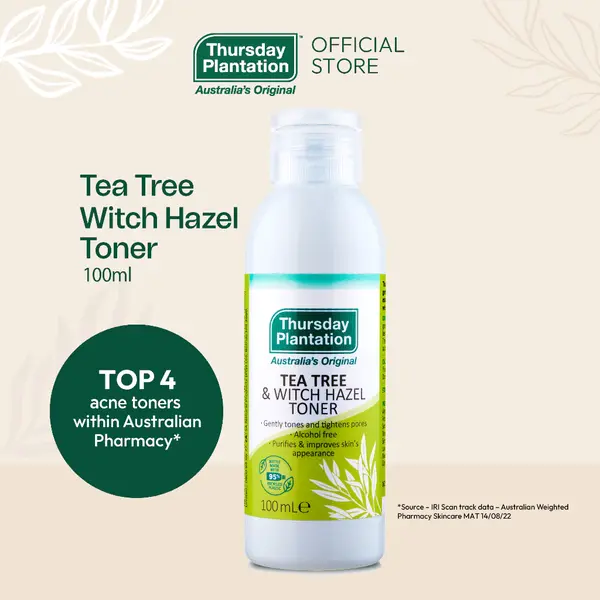
Using a toner can help refresh your skin after cleansing. Choose an alcohol-free toner (witch hazel or one with niacinamide works well) to help minimise the appearance of pores and remove any lingering traces of cleanser or makeup. This step is optional, but a good toner for oily skin can also soothe and slightly mattify your complexion without stripping it.
Our recommendation:
3. Lightweight hydration
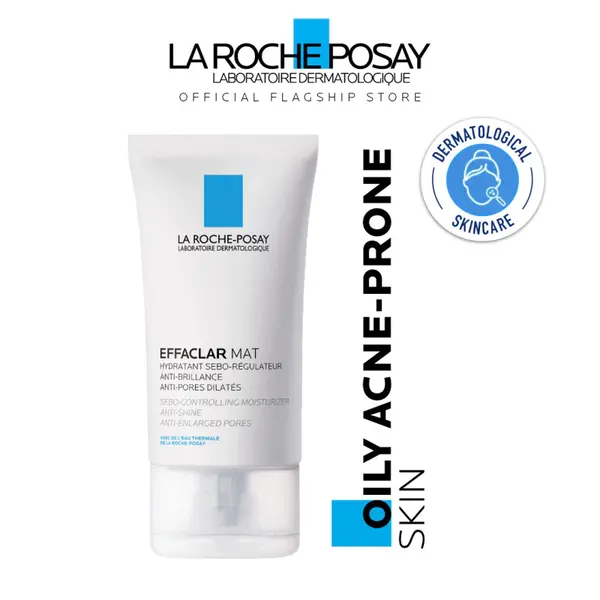
Don’t skip moisturiser – even oily skin needs moisture to stay healthy. Opt for a lightweight, non-comedogenic moisturiser (meaning it won’t clog pores). Gel moisturisers or oil-free lotions are ideal. They hydrate your skin without adding any greasiness. Keeping your skin properly moisturised actually helps regulate oil production, as dehydrated skin can kick oil glands into overdrive.
Our recommendation:
4. Targeted treatments
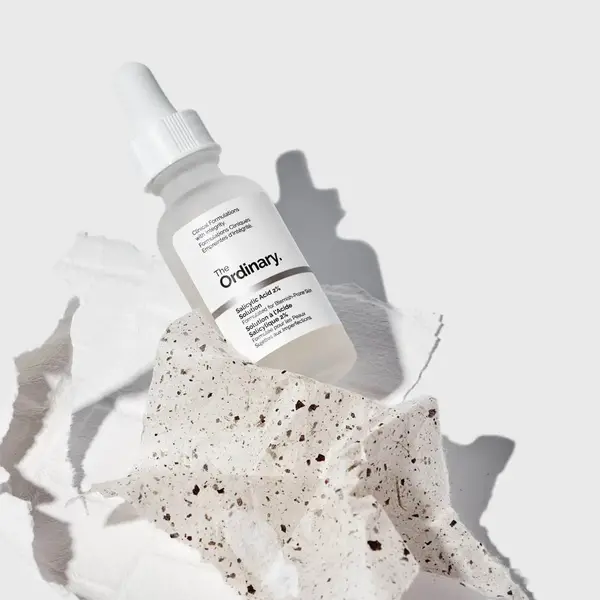
Incorporate products that address your specific concerns. If you’re acne-prone, for example, you might use a serum or spot treatment with tea tree oil, benzoyl peroxide or niacinamide to calm breakouts. You could also use an exfoliating acid (like a BHA such as salicylic acid) a few times a week to slough off dead skin and prevent blackheads. Apply these treatments after cleansing (and toning) but before your moisturiser. Remember: introduce new active products one at a time and don’t go overboard – over-treating can lead to irritation.
Our recommendation:
5. Sun protection
Oily skin still needs sunscreen every single day. In fact, sun damage can lead to dark spots and make oily skin issues like acne scars look worse. Choose a broad-spectrum sunscreen with at least SPF 30 that’s formulated for oily or combination skin. Look for descriptions like “oil-free”, “matte finish” or “lightweight fluid” on the label.
Tip: During the day, if your skin gets very shiny, you can use blotting papers to dab away excess oil. This freshens up your face without disturbing your makeup or skincare. A quick spritz of a hydrating mist after blotting can also keep your skin from feeling too stripped.
Our recommendation:

Skin care routine for dry skin: Rehydrating parched skin
Dry skin needs extra TLC to restore moisture and protect the skin’s barrier. The goal of a skin care routine for dry skin is to provide deep hydration at every step and prevent water loss. Here’s how to nurture dry, thirsty skin:
1. Mild cleansing
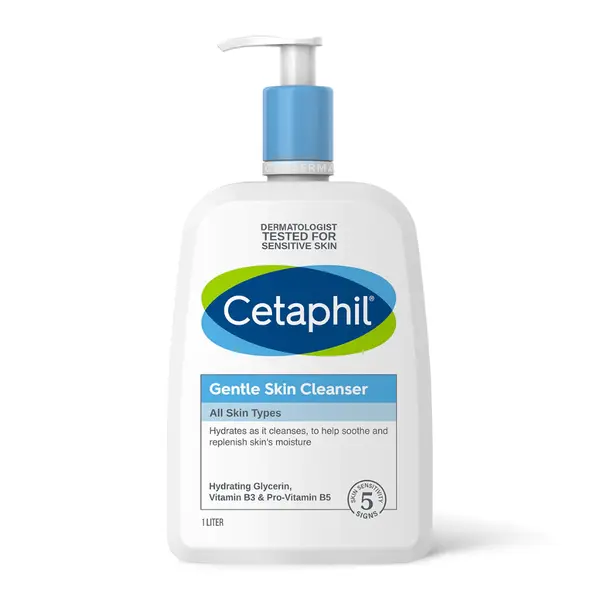
Switch out any harsh face wash for a gentle, creamy cleanser. Ideally, use a cleanser that doesn’t produce a lot of foam (foaming agents can sometimes dry the skin). Milky or lotion cleansers are fantastic for dry skin because they clean without stripping natural oils. After washing, your face should feel comfortable, not tight. If it feels parched right after cleansing, try a different, more moisturising cleanser and use cool or lukewarm water instead of hot.
Our recommendation:
2. Hydrating toner or essence
These are lightweight liquids packed with moisture-attracting ingredients like glycerin, hyaluronic acid, or even soothing botanical waters (rosewater is a popular one). Gently patting a hydrating toner onto your skin after cleansing helps to immediately replenish some moisture and primes your skin to absorb your serum and moisturiser better. Think of this step as giving your skin a big drink of water.
Our recommendation:

3. Serum boost
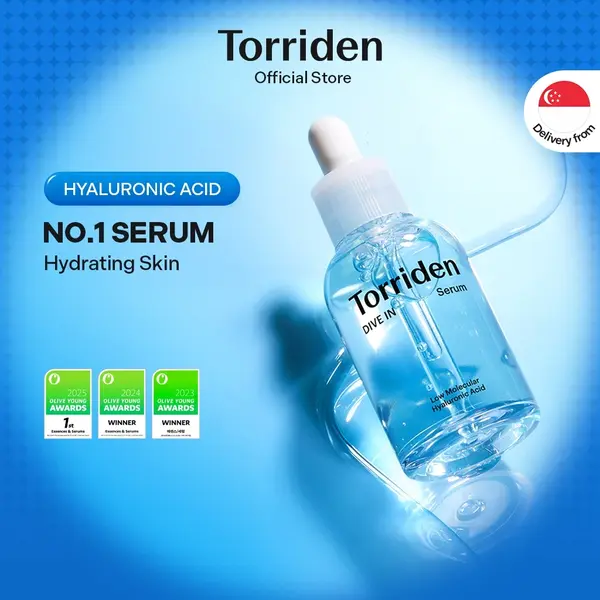
Apply a hydrating serum to give your skin an extra layer of moisture. A good choice is a hyaluronic acid serum – hyaluronic acid can hold many times its weight in water, quenching dry skin and plumping up fine lines. You might also consider serums with vitamin E or niacinamide, which can nourish and improve the skin’s lipid barrier. Gently press the serum into your skin with your fingertips. This step helps turn your dry, rough patches into softer, happier skin by infusing active ingredients
Our recommendation:
4. Rich moisturiser
Now it’s time to seal all that hydration in. Pick a rich, creamy moisturiser – something with oils or butter in it – and apply it generously. Look for ingredients like ceramides (which help repair the skin barrier and lock in moisture), shea butter, squalane, or nourishing plant oils (almond, jojoba or rosehip oil are wonderful for dry skin). At night, you might even use a heavy cream or sleeping mask to deeply moisturise while you sleep. During the day, if a thick cream feels too heavy under makeup, you can use a slightly lighter cream, but make sure it’s still formulated for dry skin. Don’t forget to apply moisturiser to your neck as well – it needs love too!
Our recommendation:

5. Sun protection
Dry skin is not exempt from sunscreen – in fact, it can be more prone to fine lines, so protecting from UV rays is vital. Use a moisturising sunscreen each morning with at least SPF 30. You can find day creams that combine SPF with ingredients like glycerin or ceramides so you don’t feel dried out. Apply sunscreen as the last step in your morning routine, and reapply if you’re outdoors for long periods. Sun exposure can also worsen dryness, so this step helps keep your skin supple and protected.
Tip: If your skin still feels flaky or ultra-dry, consider adding a facial oil to your night routine. You can pat a few drops of a face oil (like argan, marula, or rosehip oil) over your moisturiser at night. Also, running a humidifier in your room at night can add moisture to the air and further help prevent your skin from drying out.
Our recommendation:
Skincare for combination skin: Balancing oily and dry areas
Combination skin can be a bit of a juggling act – some areas of your face are oily, while others are dry. The secret to skincare for combination skin is targeted care: treat each area according to its needs, and use products that strike a happy medium when possible. Here’s how you can balance it out:
1. Balanced cleansing
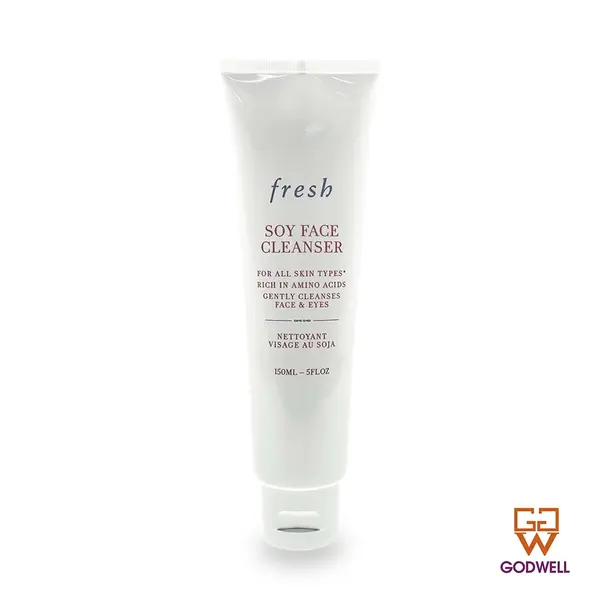
Use a gentle cleanser that cleans your oily zones without stripping the drier areas. A low-foam gel cleanser or a cream-gel hybrid works well. Focus on cleansing your T-zone (forehead, nose, chin) where oil tends to build up, but be quick and gentle when cleansing drier areas like the cheeks. Some people with combination skin even use two different cleansers – for example, a purifying cleanser on the T-zone and a mild, hydrating cleanser on the cheeks. This double cleanser approach for different areas is optional and usually only needed if your combination skin is at two extremes. Most of the time, a single mild cleanser will do the job for your whole face.
Our recommendation:
2. Spot treatment as needed
It’s perfectly okay (and often very effective) to multitask your products on combination skin. This means applying specific treatments only where necessary. For instance, you might swipe a BHA (salicylic acid) toner or serum on just your oily areas to keep pores clear and reduce shine. At the same time, you could apply a hydrating toner on your cheeks to soothe any dryness. If you get the occasional pimple on your forehead or nose, use your acne spot treatment only on that spot, rather than all over.
Our recommendation:

3. Layered hydration
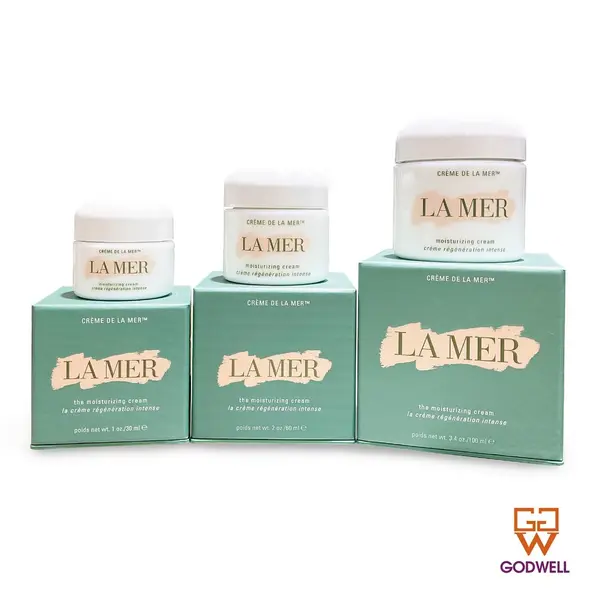
Finding the right moisturiser for combination skin can be tricky – too light and your dry areas suffer, too heavy and your T-zone turns into an oil slick. One smart approach is layering. Start with a light lotion or gel moisturiser over your entire face for overall hydration. Then, add an extra dab of richer cream only to the dry areas (like around the mouth or on the cheeks). For example, you might use a lightweight oil-free moisturiser everywhere and then pat a tiny bit of a thicker cream on any flaky patches. This way, each area gets the level of moisture it needs.
Our recommendation:
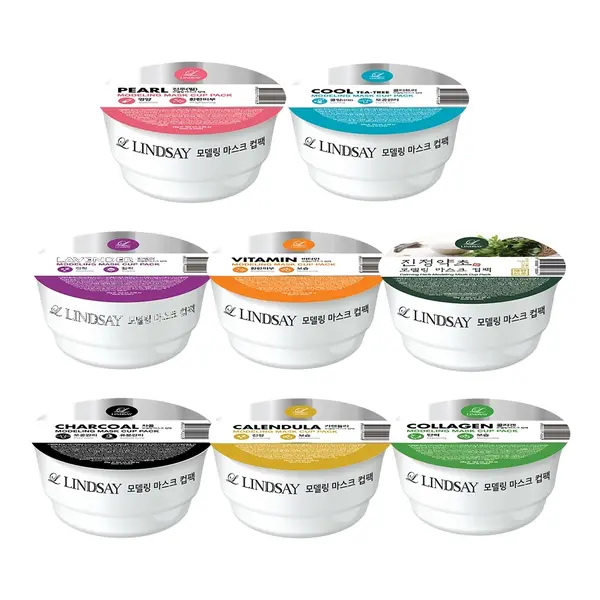
4. Weekly multi-masking
A great trick for combination skin is multi-masking – using two different face masks at the same time on different parts of your face. For instance, you can apply a clay or charcoal mask on your oily T-zone to draw out impurities and reduce shine, while applying a hydrating or soothing mask on your cheeks to give them a moisture boost. Relax for 10-15 minutes, then rinse everything off. Multi-masking lets you address both oily and dry concerns in one session. Doing this once a week or once every two weeks can visibly improve the balance of your skin. Your forehead, nose, and chin will be cleaner and less oily, and your cheeks will be softer and more hydrated.
Our recommendation:
5. Sun protection
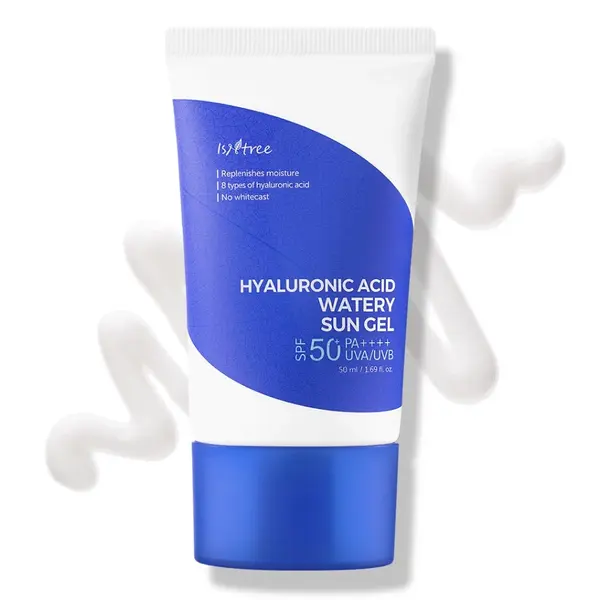
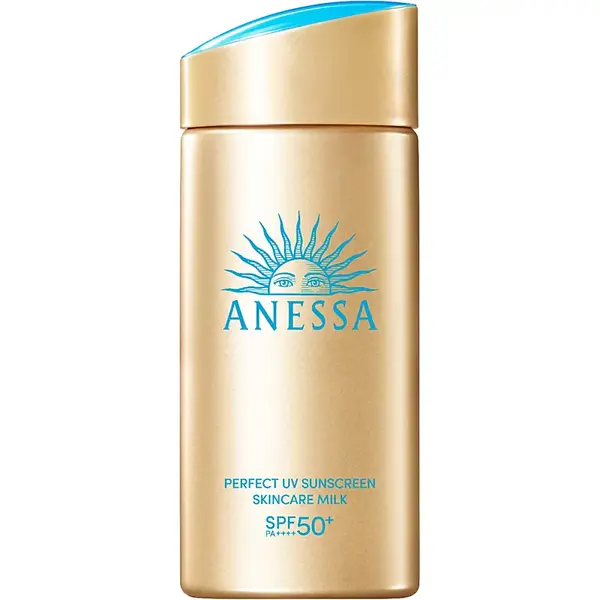
Like every skin type, combination skin needs daily sun protection. Choose a sunscreen with a lightweight feel – gel sunscreens or those labelled “dry-touch” tend to work well, as they won’t add greasiness to your T-zone. A fluid, matte-finish SPF can keep your oily areas under control while still providing enough hydration for drier parts. Apply your broad-spectrum SPF 30+ every morning as the final step. If your sunscreen is a bit dewy on your T-zone, you can set those areas with a translucent powder to mattify them.
Our recommendation:
Skin care routine for sensitive skin: Soothing solutions
Sensitive skin can be any skin type (oily, dry, combination) but with one added challenge – it reacts easily to products or environmental factors. Redness, stinging, or breakouts from new products are common if you have sensitive skin. The focus of a skin care routine for sensitive skin is to keep things simple, gentle, and calming. Here’s how to pamper delicate skin and avoid irritation:
1. Gentle cleansing
Use a very mild cleanser to wash your face, ideally one that’s fragrance-free and formulated for sensitive skin. Cream cleansers or lotion-like cleansers are often best because they clean without stripping natural oils or upsetting your skin’s pH balance. Avoid cleansers with strong perfumes, alcohol, or harsh sulfates. When washing, use lukewarm (not hot) water and your hands (rather than rough washcloths or cleansing brushes). Pat – don’t rub your skin dry with a soft towel. This gentle approach prevents the irritation and redness that harsher cleansing can cause.
Our recommendation:

2. Less is more (Skip the harsh stuff)
With sensitive skin, you want to avoid common irritants. This means be cautious with toners – most toners with alcohol or astringents can be too much. If you really enjoy using a toner, pick one that is labelled for sensitive skin, perhaps containing soothing ingredients like chamomile or aloe vera, and absolutely no alcohol. Exfoliating scrubs or strong acid peels are usually not a good idea for daily use on sensitive skin. Instead, you might exfoliate very occasionally with a mild product if you must (like a gentle PHA or enzyme exfoliant), but many people with sensitive skin skip exfoliation in their routine and let a soft washcloth during cleansing do that job. The priority is to keep your skin’s protective barrier intact.
3. Calming moisturiser
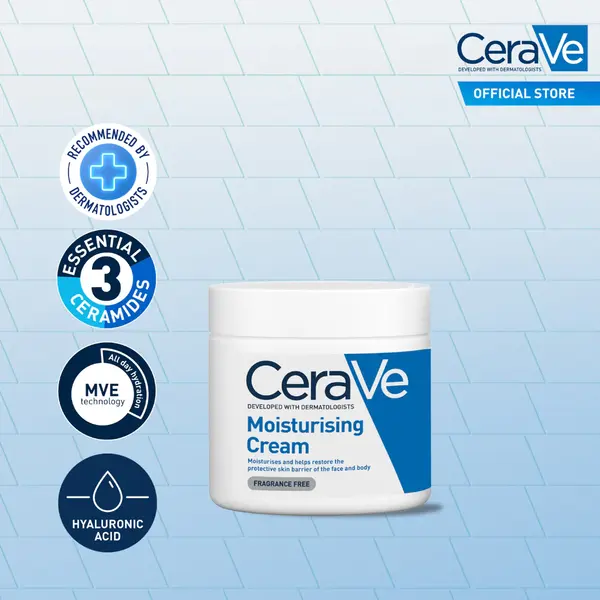
Moisturising is essential to repair and protect sensitive skin. Choose a moisturiser that is hypoallergenic and free of fragrance and dyes. Ingredients like ceramides help rebuild the skin barrier, while niacinamide can reduce redness and improve resilience. Other helpful ingredients for sensitive skin are oatmeal extract, allantoin, or madecassoside (from centella asiatica) – all of which help soothe irritation. Apply your moisturiser morning and night on clean skin.
If your skin is extremely reactive, stick to a very simple formula with a short ingredient list (the fewer ingredients, the less chance of reacting to something). You might even opt for a pharmacy brand known for gentle formulations (many skincare experts recommend brands like Cetaphil, CeraVe, or Avène for sensitive clients, as their products are usually formulated to minimise irritation).
Our recommendation:
4. Patch test new products
One golden rule when you have sensitive skin is patch testing. Whenever you want to try a new product – be it a serum, a mask, or even a new sunscreen – test a small amount on an inconspicuous area first. You can dab a bit behind your ear or on your inner arm and wait 24 hours to see if any redness or itching develops. Also, introduce only one new product at a time into your routine. That way, if something does irritate you, it’s easier to pinpoint the culprit.
5. Sun protection
Many people with sensitive skin find that sun exposure makes their skin issues worse – it can trigger redness, inflammation, and in some cases, conditions like rosacea can flare with UV exposure. So, daily sunscreen is a must. The best choice is a mineral sunscreen (also known as physical sunscreen) with zinc oxide or titanium dioxide as the active ingredients. Mineral sunscreens sit on top of the skin and reflect UV rays, and they tend to be gentler because they don’t penetrate the skin as some chemical filters do. Look for sunscreens labelled “for sensitive skin” – these often avoid potential irritants.
Our recommendation:
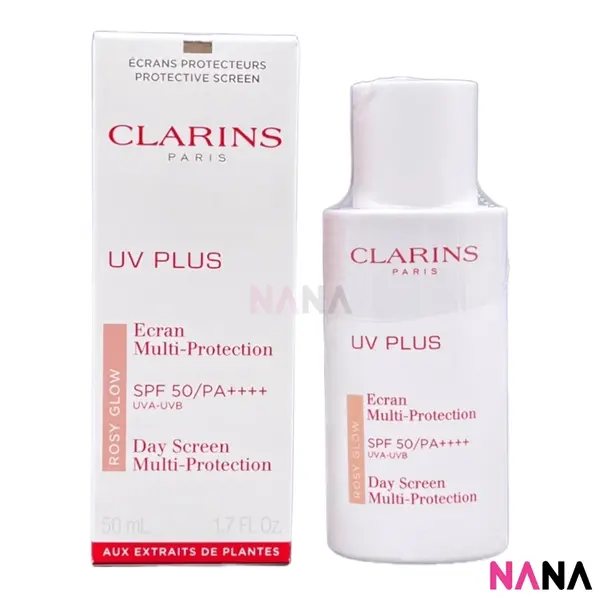
Tip: Keep your routine basic and consistent. Sudden changes or using too many products can overwhelm sensitive skin. A simple routine of cleanse, moisturise, sunscreen (with maybe one gentle treatment product, like a serum with vitamin B5 or a drop of facial oil at night) can work wonders when done daily. And whenever your skin is acting up (extra red, itchy, or irritated), revert to “SOS mode” – just cleanse with water or ultra-gentle cleanser and use a plain moisturiser until it calms down. This approach gives your skin a chance to recover without additional stimuli.
What is the 4-2-4 rule in skincare?
The numbers 4-2-4 refer to a timed double-cleansing method: 4 minutes of oil cleansing, 2 minutes of cleansing with a foam or cream cleanser, and 4 minutes of rinsing.
- First, you spend four minutes massaging a cleansing oil into your dry face. This step dissolves makeup, sunscreen, and sebum thoroughly.
- Next, without rinsing off the oil, you apply a gentle foaming cleanser and cleanse for two more minutes. This helps remove any remaining impurities – things like sweat or dust – and the residual oil.
- After that, you rinse your face for four minutes, alternating between splashing with lukewarm water and gently massaging your skin to ensure every bit of cleanser is gone.
The result? A very thorough cleanse that leaves your skin feeling extremely clean but surprisingly soft and hydrated. Fans of the 4-2-4 rule say it helps reduce blackheads, makes skin smoother, and allows the rest of your skincare (like serums and night cream) to absorb better.
What are common skincare mistakes?

Even with a great routine in place, certain habits can sabotage your skin goals. Here are some common skincare mistakes to watch out for (and avoid!):
- Skipping sunscreen: Daily broad-spectrum SPF 30+ is essential to prevent premature ageing and skin cancer, even indoors.
- Over-exfoliating: Too much exfoliation damages the skin barrier, causing irritation and breakouts. Stick to gentle exfoliation 1–3 times a week.
- Using the wrong products: Products not suited to your skin type can clog pores or leave skin under-hydrated. Choose formulas made for your specific needs, not trends.
- Not removing makeup at night: Sleeping in makeup clogs pores and leads to dullness and breakouts. Always cleanse before bed.
- Constantly switching products: Skincare takes time. Give products weeks to work and introduce new ones slowly to avoid irritation.
How to choose the right skincare routine for your specific skin type
In conclusion, the best skincare routine is one that’s tailored to your skin’s unique needs and that you can stick to consistently. Remember that healthy skin also means protecting it from damage and keeping it nourished – for example, sun protection is a must for every skin type (our guide to the best sunscreens can help you find one you love), and you might discover game-changing products by exploring different brands and formulations (some of the best Japanese skin care products are famous for a reason!). Above all, be patient and pay attention to your skin’s signals – if you stay consistent and make adjustments as needed, you’ll be well on your way to a skincare routine that keeps your skin happy, healthy, and glowing.