
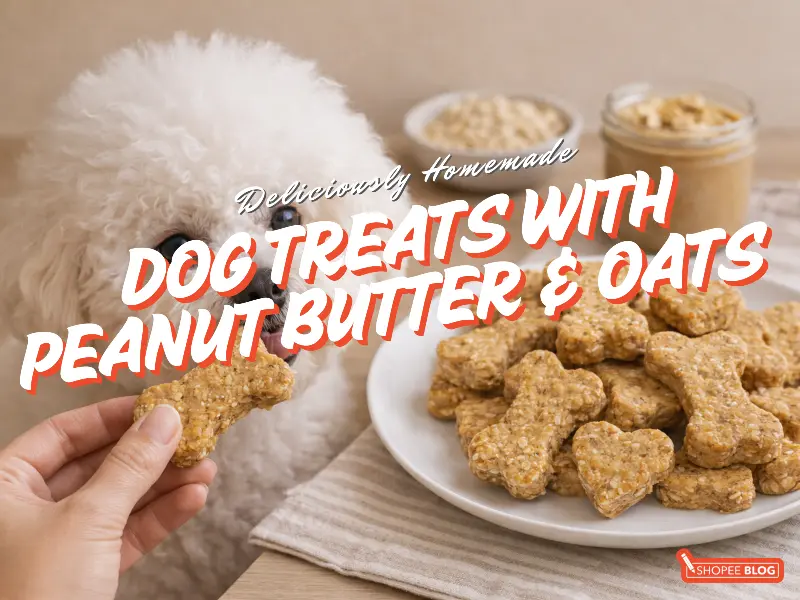
Nothing makes my pups happier than the scent of fresh peanut butter treats baking in the oven. As a long-time dog owner, I’ve found that homemade dog treats for dogs are more than just a fun kitchen project – they’re a way to ensure my furry friends get healthy, wholesome snacks. Not only are DIY treats easy to make, but they are so much more affordable than store-bought treats and dogs LOVE them! My Bichon, Siew B, practically dances around the kitchen whenever I pull out the peanut butter jar. Seeing his excitement convinced me to ditch store-bought biscuits and start baking my own peanut butter and oat dog treats at home.
How to make homemade dog treats with peanut butter and oats
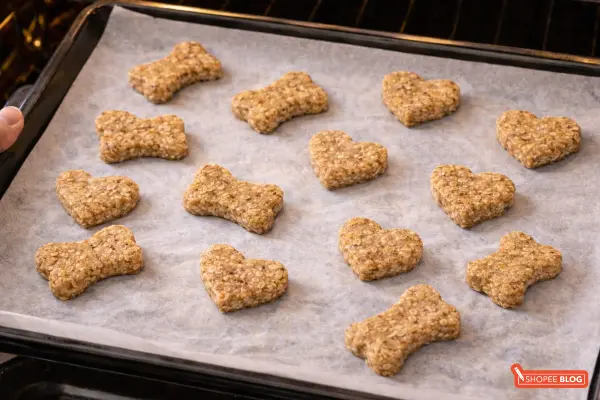
Making peanut butter oat treats at home is straightforward and rewarding. You control exactly what goes into these biscuits, so you know they’re free of unwanted additives.
For this recipe, you’ll need about 2 cups of oats, 2 ripe bananas (or about ⅔ cup of unsweetened applesauce as an alternative), and ½ cup of natural peanut butter. This simple combination creates a nutritious dough that bakes into crunchy cookies your dog will adore. Follow these steps to whip up a batch of homemade dog treats:
- Preheat and Prep: Preheat your oven to 150°C (300°F). Line a baking sheet with parchment paper (or a reusable silicone baking mat) to prevent sticking.
- Mix the Dough: Grind the oats into a fine flour using a blender or food processor (alternatively, use store-bought oat flour). In a bowl, mash the ripe bananas and mix them with the peanut butter until smooth. Add in the ground oats and stir well to form a thick, sticky dough. (If you opted for applesauce instead of banana, mix it with peanut butter, then combine with the oats. If the dough feels too wet or sticky, sprinkle in a bit more oat flour or whole wheat flour).
- Roll and Cut: Lightly flour a surface with oats or whole wheat flour. Turn out the dough and roll it to about 1 cm (approximately ¼ – ⅓ inch) thick. Use a cookie cutter to cut out shapes for your treats. I love using small bone or heart-shaped cutters, but even cutting the dough into bite-sized squares with a knife works just as well. Gather any dough scraps, re-roll them, and continue cutting until all the dough is used.
- Bake: Place the cut-out treats on your prepared baking sheet. Bake for about 25-30 minutes, or until the treats are puffed and golden-brown on the bottom. They may still feel slightly soft when hot, but they will firm up as they cool into a nice crunchy texture.
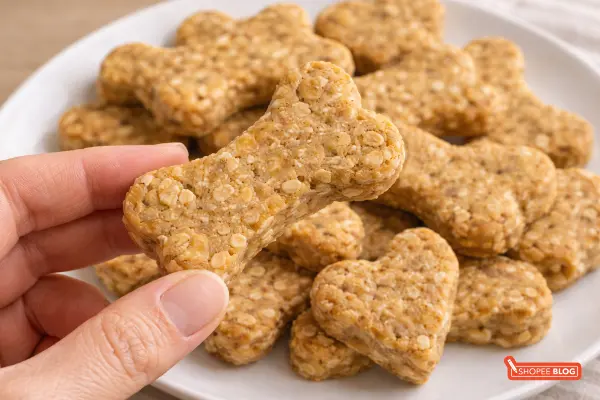
- Cool and Store: Remove the treats from the oven and let them cool completely on a rack. Make sure they are fully cooled before letting your dog taste-test. For storage, keep the treats in an airtight container. They will last about one week at room temperature or up to two weeks in the fridge. For longer storage, you can freeze the treats for up to 2–3 months – my Siew B actually enjoys them straight from the freezer on hot days!
Tips for homemade dog treats
-
Use natural peanut butter
Always use an all-natural peanut butter with no added salt, sugar, or sweeteners. The only ingredient should be peanuts. Processed peanut butters with lots of additives are basically sugary frosting – not healthy for pups. Plus, never use a peanut butter that contains xylitol as it’s extremely toxic to dogs!
-
Customise with mix-ins
This peanut butter and oats base is flexible. You can mix in a spoonful of pure pumpkin purée, a bit of mashed sweet potato, or a drizzle of honey for extra flavour (just ensure any add-in is dog-safe and used in moderation). Dogs have their own taste preferences, so feel free to experiment with what your pet loves.
-
Dough handling
If the dough is too sticky to roll out, knead in a little more oat flour or whole wheat flour until it’s easy to work with. On the other hand, if it crumbles and is too dry, you can moisten it with a tablespoon of water at a time.
-
Baking and texture
For a softer treat (ideal for older dogs or those with sensitive teeth), you can bake for a slightly shorter time (around 20–22 minutes) so the treats come out chewier. For an extra crunchy dog biscuit, let them bake a few minutes longer (just keep an eye to avoid burning). After switching off the oven, you can also leave the treats inside as the oven cools down to dry them out further into a crispy biscuit.
-
Portion size
Remember to cut your treats to an appropriate size for your dog. Small breeds will do better with small bite-sized cookies, whereas big dogs can chomp larger biscuits.
-
Storage and shelf life
As mentioned, homemade treats have no preservatives, so they won’t last as long as commercial treats. If you make a large batch, store most in the freezer and just keep a week’s worth at room temperature. Frozen treats can be thawed as needed (or served cold – some dogs enjoy the crunch).
Is oatmeal and peanut butter good for dogs?
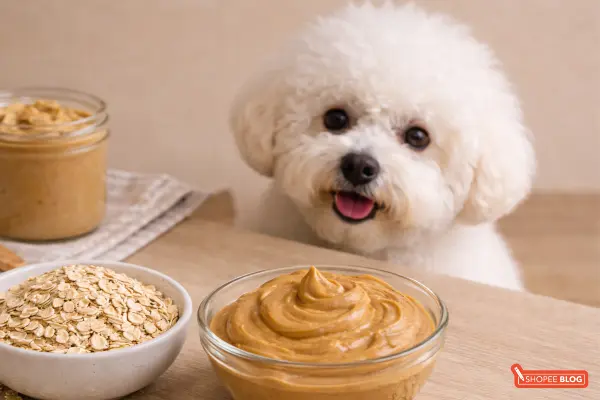
Yes – plain oatmeal and peanut butter are both good for dogs in moderation. Oatmeal made from plain oats is a nutritious grain that’s high in soluble fibre and contains vitamins and minerals that support your dog’s health, including vitamin B for a healthy coat and linoleic acid for strong skin. Peanut butter is also a favourite among dogs, providing protein, healthy fats, and vitamins E and B, which help support muscle strength, energy, and a shiny coat.
That said, both oatmeal and peanut butter should be given in moderation as treats rather than dietary staples. Always choose peanut butter without xylitol and, as much as possible, with low salt and sugar. Serve oatmeal plain without added sugar, butter, or flavourings too. When used responsibly, they are wholesome, dog-safe ingredients commonly found in homemade dog treats.
How to make dog treats with only three ingredients?
Homemade dog treats don’t have to be complicated – you can easily make tasty treats with just three ingredients. A simple favourite includes banana, peanut butter, and oats:
- Mash a ripe banana
- Mix in a few spoonfuls of peanut butter
- Stir in oats until a dough forms
- Shape into cookies or bite-sized balls and bake, or freeze for no-bake treats
No banana? You can swap it with unsweetened applesauce or cooked pumpkin purée to help bind the mixture. Another easy option is peanut butter, oats, and water for quick no-bake “puppy bites.” The key takeaway is that you don’t need many ingredients – a few dog-safe staples are enough to make homemade treats anytime.
Can I put uncooked oats in my dog’s food?
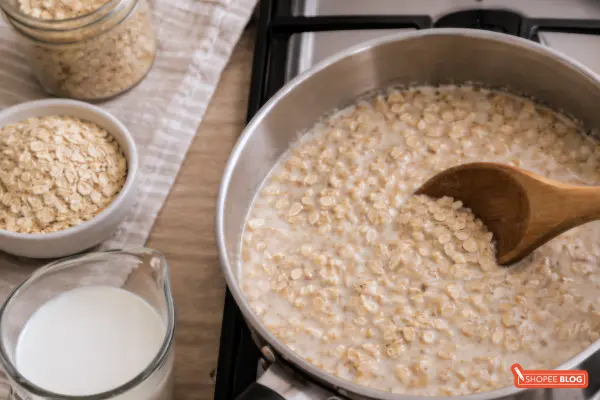
It’s generally not recommended to feed uncooked oats to your dog in large amounts. While a small sprinkle is unlikely to cause harm, raw oats are harder for dogs to digest, as grains are best served cooked or softened. Experts recommend cooking oats in water (no milk or flavourings) and letting them cool before serving, as raw oats can lead to digestive discomfort or stomach upset.
If you’re adding oats for a fibre boost, stick to plain cooked oatmeal in modest portions – 1 to 2 tablespoons is enough for a medium dog. Too much fibre at once can cause gas or loose stools, especially in dogs not used to it. While uncooked oats aren’t toxic, cooking them makes digestion easier and helps your dog better absorb their nutritional benefits.
Can I give my dog peanut butter every day? Can peanut butter upset a dog’s stomach?
Dogs love peanut butter, but moderation is essential. Small amounts, such as a teaspoon used to fill a treat toy or hide a pill, are generally fine as long as the peanut butter is free from xylitol and other harmful additives. However, peanut butter is high in calories and fat, so overfeeding can cause stomach upset, diarrhoea, weight gain, or even pancreatitis over time.
Vets often suggest the “10% rule”, where treats make up no more than 10% of your dog’s daily calorie intake. For a medium dog, a tablespoon of peanut butter is a satisfying snack, but larger amounts can easily upset their stomach. If you notice digestive issues, reduce the portion.
Which peanut butter should dogs not eat?
Dogs should never eat peanut butter that contains xylitol. This artificial sweetener, often found in sugar-free or diet peanut butters, is extremely toxic to dogs and can be life-threatening even in small amounts. Some speciality brands aimed at fitness or keto consumers use xylitol, so always avoid any product that lists it as an ingredient. Be especially cautious with peanut butters labelled “sugar-free” or “no added sugar”, as these may contain xylitol.
Beyond xylitol, it’s best to avoid peanut butters high in salt, sugar, or hydrogenated oils. The safest option for dogs is plain, natural peanut butter made from 100% peanuts. When in doubt, always check the label or choose peanut butter made specifically for dogs.
How can I tell if peanut butter has xylitol?
The best way to check is by reading the label, as xylitol should be listed in the ingredients (sometimes under other names). Use these tips to spot it more easily:
- Sugar-free labels: Peanut butters marketed as “sugar-free,” “diet,” or “reduced sugar” are more likely to contain artificial sweeteners like xylitol
- Check ingredient list: Turn the jar around and scan the full list. Xylitol may appear near the end, as it’s often added in small amounts.
- Alternative names to xylitol: Xylitol may also be called birch sugar or wood sugar. It can also appear as a sugar alcohol in the nutrition information
- When in doubt, play it safe: If you’re unsure, avoid the product or contact the manufacturer. Peanut butters made from 100% peanuts are the safest choice for dogs.
Homemade dog treats for happy, healthy dogs
Making your own dog treats is truly one of the best ways to reward your canine companion. Homemade dog treats let you control every ingredient, ensuring your pup snacks on wholesome, natural foods without any mystery additives. Beyond treat-making, caring for your dog at home and while you’re away is just as important. If you’re travelling, this guide to the best dog boarding services in Singapore can help you find a safe stay, while the best vacuum for pet hair makes daily clean-ups much easier. To round things off, explore these healthy dog treats to complement your homemade bakes with nutritious, pup-approved options.









![affordable activewear in singapore [featured]](https://shopee.sg/blog/wp-content/uploads/2024/11/affordable-activewear-in-singapore-featured-75x75.webp)