
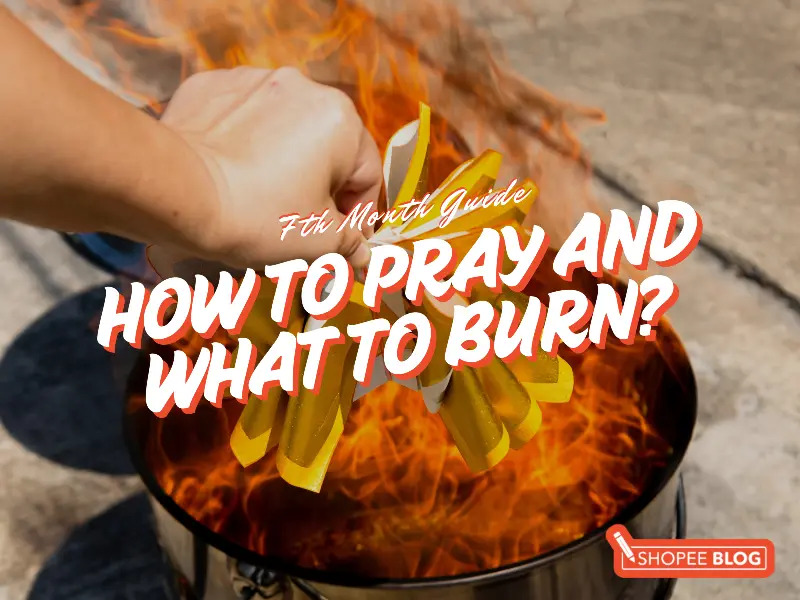
For many younger Singaporeans, figuring out how to pray during the Hungry Ghost Festival can be mystifying. If your parents or grandparents used to handle the rituals and now you’re unsure where to start, don’t worry! By the end, you’ll be ready to observe this tradition respectfully, without feeling blur.
How to pray during the Hungry Ghost Festival
1. Pick the right time & place
The first step in learning how to pray during the 7th month is choosing a suitable time and place for your offerings. Here are some important things to note:
- The festival spans the entire seventh lunar month (usually August to September).
- Most families pray on the 1st, 15th, and last day of the month.
- Location-wise, you can pray at home, set up outdoors near your block or at a family altar.
- For outdoor prayers, choose a safe, open area and always check if your location requires approval for large setups.
2. Prepare your offerings
Here’s what you’ll typically need:
- Food & drinks: Fruits, sweets, or simple vegetarian dishes like noodles and rice. Some families also add their ancestors’ favourite snacks or drinks.
- Joss sticks (Incense): Always prepare 3 sticks per prayer (we’ll explain why later).
- Candles: A pair of red candles for light and protection.
- Joss paper (Incense paper): Prepare both gold and silver, depending on who you are praying to (read on to learn more about the different types of joss paper).
- Optional extras: Tea, rice wine, or paper offerings like houses and clothes (symbolising gifts for the afterlife).
Arrange everything neatly. If indoors, place offerings before an altar or ancestor photo. Otherwise, set them out on clean paper or containers.
3. Conduct the prayer ritual
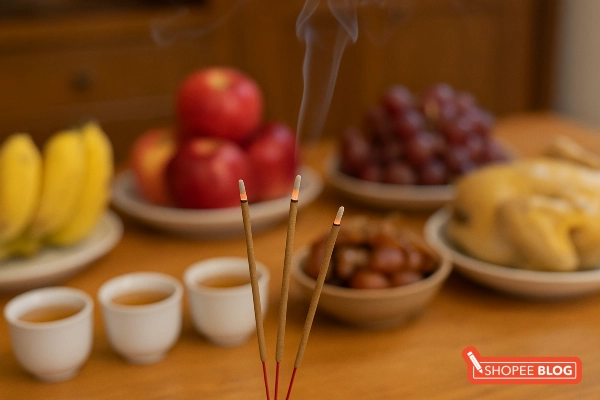
- Light three joss sticks and hold them at chest level.
- Bow three times in each direction:
- To the deities or sky.
- To your ancestors.
- To wandering spirits nearby.
- Speak from the heart, invite them to accept your offerings and bless your household.
If you come from a Taoist or Buddhist background, you might also recite scriptures or mantras at this point. But if you’re not familiar, it’s perfectly okay to speak normally. It’s your sincerity that matters.
4. Burn the joss paper
One thing I usually do to find out if it’s all right to go ahead with burning the offerings is pua puay. If both coins land on the same side, then it’s a no-go for now. I give it a couple of minutes before tossing again.
- Use a metal can or incense burner.
- Joss paper folding (into gold ingots) is optional. Sincerity is what counts.
- Add the paper gradually to the fire to avoid ash flying everywhere.
This ritual of incense paper burning symbolises transferring money and other goods to the spirits. Think of it as sending them care packages in the afterlife.
5. Wrap up
Before clearing the food offerings, I usually pua puay again to ask whether the spirits are done with the food. If both coins land on the same side, I leave the offerings for a little longer before asking again.
- When the joss paper is fully burned and the joss sticks are almost done, thank the spirits quietly for accepting the offerings.
- You can deal with the food offerings in different ways. When in doubt, you can simply follow your family’s tradition.
- Leave it out longer: Some believe it allows time for “latecomer” spirits.
- Discard or leave it behind: Some believe the food has already been “spiritually eaten”.
- Share it with your family: Some consider the food as “blessed” and eat it afterwards.
- Make sure your joss paper has burned completely. Tidy up any leftover ashes and clear away all packaging and rubbish.
What to burn during the Hungry Ghost Festival
1. Incense (joss sticks)
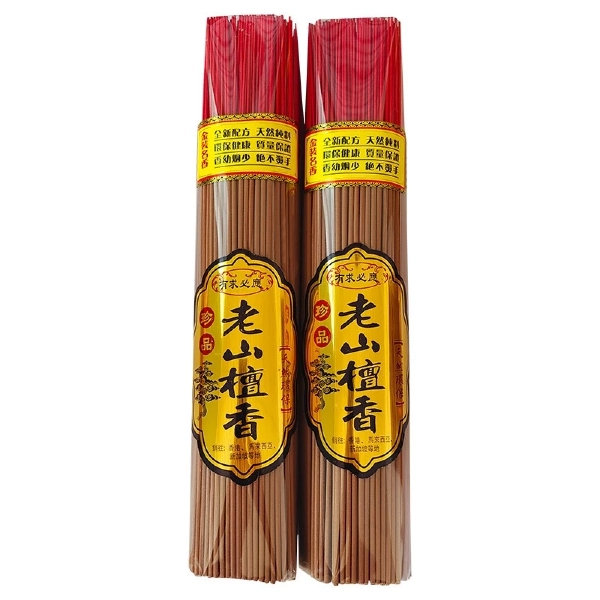
Incense, or joss sticks, is one of the most essential offerings used during the prayer ritual:
- Usually offered in sets of three
- Acts as a spiritual “phone line,” carrying your prayers upward in smoke.
2. Joss paper (spirit money)
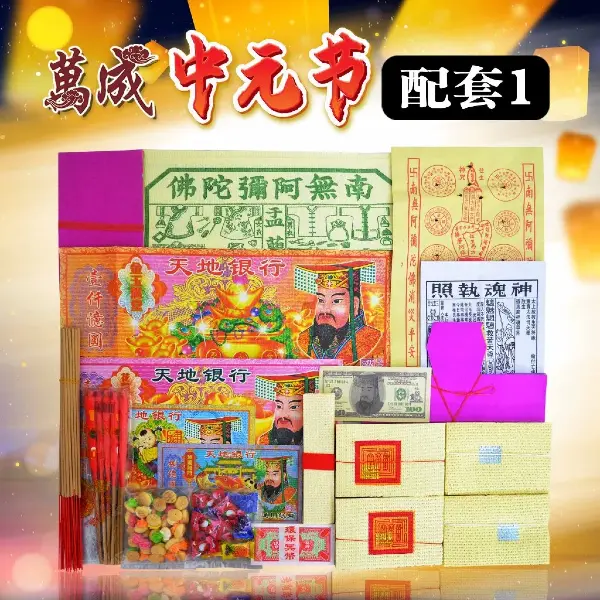
Joss paper, also known as spirit money, is one of the most common offerings you’ll see during the 7th Month. It’s burned as a symbolic way of sending money and other necessities to deities, ancestors and wandering spirits.
Take note that different types of joss paper each have a specific use and are meant for different recipients:
- Gold joss paper → for gods and higher deities
- Silver joss paper → for ancestors and wandering spirits
- Hell bank notes → modern spirit currency with huge denominations
- Joss paper folding into ingots → symbolises wealth and prosperity
Pro tip: Always fold or crease the paper before burning to show respect and to distinguish it from real money.
3. Paper replicas of goods
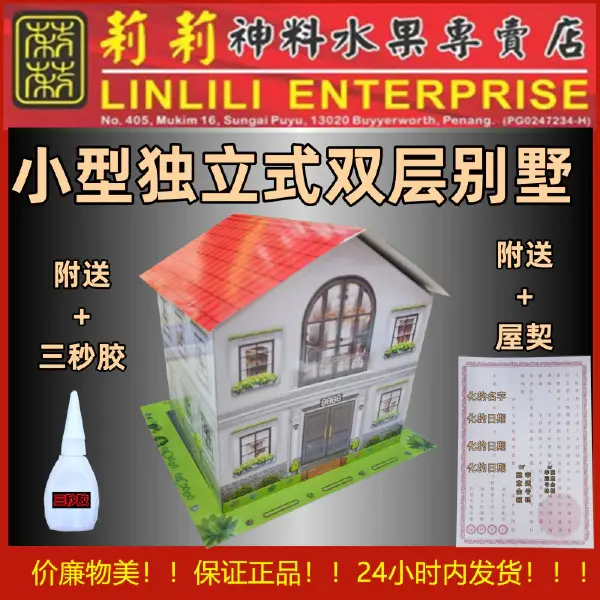
This is where things get creative. Today’s Chinese incense paper isn’t just money. You’ll also find paper replicas of everyday items and luxury goods, such as:
- Houses & villas
- Cars & motorbikes
- Electronics (phones, laptops, TVs)
- Luxury goods (handbags, watches, even “designer” brands)
Burning these is a symbolic way of providing your ancestors with comfort and useful possessions in the afterlife. And, yes, it’s surprisingly satisfying when you see paper iPhones or Air Jordans going up in smoke.
4. Paper clothing
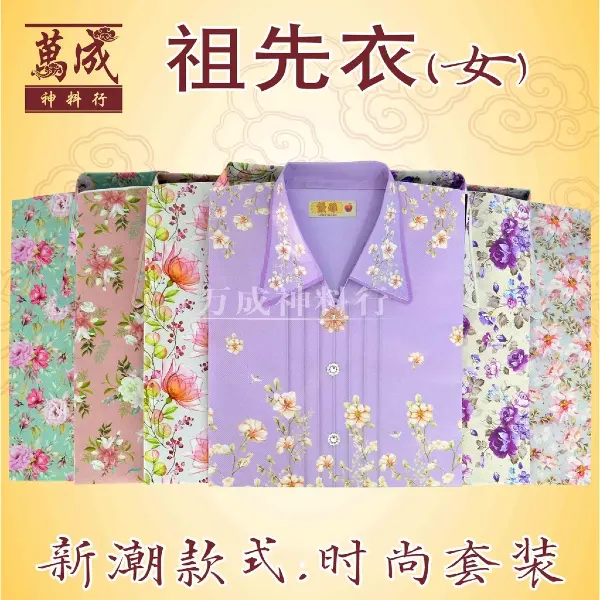
Special Chinese incense paper crafted into traditional outfits (shòuyī) is also often included to keep spirits “warm” and properly dressed in the afterlife. They add a thoughtful extra touch in larger offerings and may include paper clothes, called 纸扎衣 or 祖先衣, as well as paper shoes, known as 纸扎鞋.
5. Other ritual papers
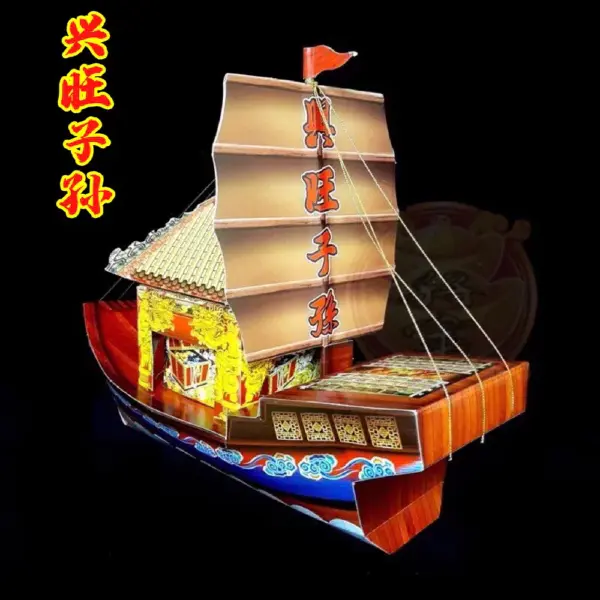
Other ritual papers may also be included depending on who you are praying to and the purpose of the offering:
- Deity papers: Specific designs meant for Taoist or Buddhist gods.
- Boat-shaped papers: Burned during the 7th month to symbolise guiding spirits safely back to the underworld.
Learned how to pray during the Hungry Ghost Festival with confidence?
Praying during the 7th Month doesn’t need to be overwhelming. Learning how to pray during the Hungry Ghost Festival simply starts with understanding the basic offerings and steps. With just three joss sticks, some food offerings, and both gold and silver joss paper, you can perform a respectful ritual that keeps both ancestors and wandering spirits happy. More importantly, it’s the sincerity behind the gesture that matters most. Want to avoid rookie mistakes? Check out our list of Hungry Ghost Festival do’s and don’ts!
This article was updated on 6 August 2026. Additional research done by Francine DC.